Big Questions

Kristiina Vuori
Big Questions

Kristiina Vuori, MD, PhD

Professor
Pauline and Stanley Foster Distinguished Chair
NCI-Designated Cancer Center

My fascination with sugars began early, sparked not by science but Oreos.

Why do recurrent cancers often exhibit resistance not only to prior treatments, but also to unrelated therapies? What is behind this “super-resistance” and how can we overcome it?

The “cancer cell autonomous” model posits that when cancer recurs, it is often more resistant to treatment because earlier therapies selectively killed sensitive cells but left behind rare resistant clones that repopulate the tumor.

It is thought that these surviving cells often have genetic or epigenetic changes that make them less responsive not only to the original treatment, but also to other drugs. Cancer evolves under treatment pressure over time, becoming more genetically diverse, activating alternative survival pathways, including sometimes adopting stem cell-like properties and increasing drug efflux and metabolism. Further improvement in single-cell technologies is needed to fully characterize these rare cells in human tumor samples.

Alternatively or additionally, changes in the tumor microenvironment (immune cells, blood vessels, fibroblasts….) can also contribute to drug resistance, making recurrent cancer harder to treat. The microenvironment can, for example, become immunosuppressive, hypoxic or fibrotic. These events can protect the cancer from immune attack, from drugs being metabolically active in the tumor or even from drugs physically entering the tumor proper. Better multi-cellular tumor models (tumoroids, organoids) and inter-disciplinary studies are required to understand the role of tumor microenvironment in drug resistance.

Once we understand better the causes for “super-resistance,” we can focus on preventing resistance through combination therapies, targeting resistant subclones and/or modifying the tumor microenvironment.

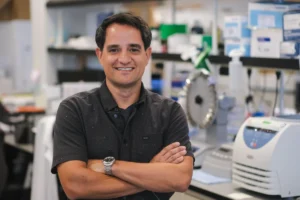
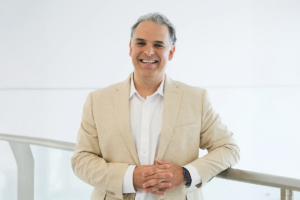
Kevin Tharp
Big Questions

Kevin Tharp, PhD

Assistant Professor
NCI-Designated Cancer Center

I want to understand how cells adapt to different environments.

This may seem like a simple question, but cells use a complex network of interconnected sensors to determine where they are and what to do. They physically interact with their surroundings through a tactile language and interpretation of this language is how a stem cell generates distinct organs or how a circulating immune cell adapts its functions to the varied organs it enters.

I have chosen to focus on metastatic cancers because the lethality of cancer is largely tied to its metastatic potential. That is, the capacity of cancer cells to spread from a primary tumor to other parts of the body. Metastasis is the leading cause of cancer-related deaths.

For cancer to metastasize, cancer cells must interpret and adapt their functions to new environments. If we learn to decipher and understand how cancer cells interpret and adapt to new environments, we can preclude these cells from colonizing secondary sites without negatively impacting normal cells that are where they are supposed to be.

Big Questions

Xueqin (Sherine) Sun, PhD

Assistant Professor
NCI-Designated Cancer Center

Our research aims to understand why cancer develops, identify its “Achilles’ heel” and ultimately create more effective treatments.

Cancer arises when cells misread or misinterpret their DNA, leading to abnormal gene activity driven by both genetic changes and epigenetic misregulation. By studying how DNA information is improperly controlled in cancer cells, we seek to uncover the key alterations that push cells toward tumor growth, pinpoint vulnerabilities unique to cancer and develop therapies that specifically target these weaknesses.

Our lab focuses on understanding how developmental pathways, aging processes, and DNA-regulatory mechanisms contribute to cancer progression, with the overarching goal of translating this knowledge into better therapeutic strategies for patients.

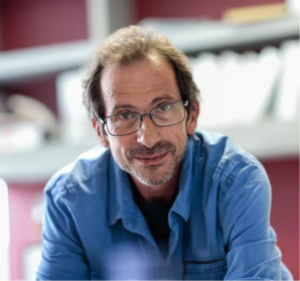
Andrei Osterman
Big Questions

Andrei Osterman, PhD

Professor
Center for Metabolic and Liver Diseases

We live in the microbial world! Indeed, our body provides an ecological niche for myriad diverse bacteria. Among them are benign (and even beneficial) commensals comprising most notably the human gut microbiome, but also sporadic invaders, including deadly bacterial pathogens.

Therefore, one of the most important trades we need to master to live a long and healthy life is how to support and nurture the “good guys,” while fighting and conquering the “bad guys.” We use microbial genomics-driven approach to gain fundamental understanding of host-microbial interactions and strive to pursue translational applications of this understanding to address this global challenge.

In my work, we apply an in silico reconstruction of metabolic pathways to predict microbiome-wide metabolic capabilities and nutritional requirements from genomic and metagenomic data. This enables a rational design of nutritional supplements to support healthy microbial balance, promote beneficial microbes (e.g., to enhance immune function) and suppress detrimental species (e.g., those linked to cardiovascular risk).

In the realm of bacterial pathogens, we use a combination of experimental evolution and genomics to explore mechanisms of antibiotic resistance, which is a rapidly emerging threat jeopardizing all aspects of anti-infective therapy developments. In addition to providing fundamental insights, our integrated approach opens translational opportunities for genomics-based antibiotic stewardship, optimization of therapeutic regimens and discovery of novel antimicrobial.

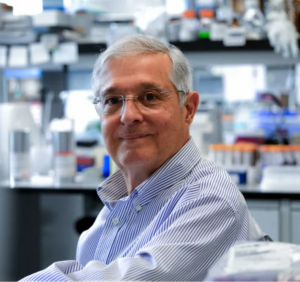
José Luis Millán
Big Questions

José Luis Millán, PhD

Professor
Center for Cardiovascular and Muscular Diseases

Why do our skeleton and teeth, but not our soft organs, calcify under physiological conditions? And what goes wrong in hypophosphatasia (HPP), a condition in which children display soft bones and premature loss of teeth (and sometimes die) or conditions such as atherosclerosis or chronic kidney disease where our soft tissues calcify or harden inappropriately?

The culprit is an enzyme called alkaline phosphatase, which I have been studying since I first came to Sanford Burnham Prebys (then called the La Jolla Cancer Research Foundation) in 1977.

Through the power of mouse genetics, my lab has shown that a heritable deficiency in alkaline phosphatase (HPP) leads to the accumulation of a molecule called pyrophosphate, which inhibits mineralization and prevents the extracellular matrix in bone from properly forming and hardening. Too much pyrophosphate also prevents the formation of the acellular cementum needed to anchor the periodontal ligaments to the alveolar bone that surrounds and supports tooth sockets.

This knowledge helped us develop a life-saving enzyme replacement therapy for pediatric-onset HPP, approved in 2015. We are now working on therapeutic options for milder, non-lethal forms of HPP to improve skeletal and muscle health.

Our mouse genetics work also revealed that too much alkaline phosphatase in soft tissues can lead to a dramatic decline in pyrophosphate concentrations, which are needed to suppress calcification where it is not wanted. In blood vessels, for example, too little pyrophosphate can result in the development and progression of atherosclerosis or hardening of the arteries, exacerbate chronic kidney disease and create tiny, calcified particles in the eye that are associated with age-related macular degeneration.

Having developed pharmacological inhibitors to tame these upregulated levels of alkaline phosphatase, the focus now is to bring them to the clinic to slow or prevent these severe forms of ectopic or abnormal calcification.

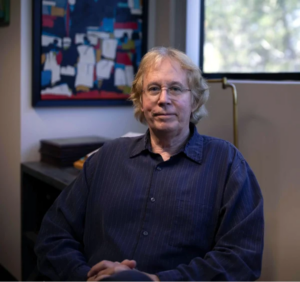
Jamey Marth
Big Questions

Jamey Marth, PhD

Professor
Center for Metabolic and Liver Diseases

I seek to discover and therapeutically control the metabolic origins of common diseases.

From human twin studies and human genome sequence comparisons, it has become evident that genetics plays a limited and minor role in the origins of common disease. In general, the rarer a disease is, the more likely it is to be of genetic origin. The more common a disease is, the more likely it is to be of environmental and metabolic origin.

Non-infectious common diseases include Alzheimer’s disease, obesity-associated Type 2 Diabetes, most cancers, colitis and the intestinal bowel diseases, multiple sclerosis and various autoimmune syndromes. These diseases originate primarily from environmental and metabolic factors.

Disease has been defined as “active or passive disturbances of cells,” and that “the key to every biological problem must finally be sought in the cell.” From these axioms, attention to the varied composition of normal and diseased cells is essential.

Of the four building blocks and macromolecules of all cells, only two are intrinsically encoded: the nucleic acids DNA and RNA and their encoded proteins. The other two components of the cell are lipids (fats) and glycans (sugars), neither of which is directly encoded by DNA and thus cannot be predicted. Instead, they are metabolic products. We and others have found that lipids and glycans represent the origins of various common diseases and syndromes, including autoimmune disease, diabetes, colitis, and sepsis.

Our research will continue to focus on missing pieces of the puzzle of disease origins with the intent to identify novel and effective preventatives, treatments and cures.

Ahmed Mahmoud
Big Questions

Ahmed Mahmoud, PhD

Associate Professor
Center for Cardiovascular and Muscular Diseases

Heart failure remains the leading cause of death worldwide because the human heart cannot regenerate after injury. Unlike newborn mammals, whose hearts can regrow following damage, the adult heart heals by forming scar tissue, leading to permanent loss of function.

The question I want to answer is whether we can reawaken the heart’s dormant regenerative capacity by restoring its youthful metabolic state. My research has shown that changing how cardiomyocytes use energy, specifically by reprogramming their mitochondrial metabolism, can restart cell division and tissue repair even in the adult heart.

Our goal now is to translate these discoveries into therapies that restore heart regeneration in human patients. If successful, this work could move medicine beyond managing heart failure to actually curing it, helping patients rebuild their own hearts after a heart attack and transforming the future of cardiovascular care.

Caroline Kumsta
Big Questions

Caroline Kumsta, PhD

Assistant Professor
Center for Cardiovascular and Muscular Diseases

What doesn’t kill you makes you stronger. It’s true not just for people, but for our cells. My research explores hormesis, the phenomenon where mild, manageable stressors such as exercise, heat or dietary changes trigger powerful defense systems that help the body resist aging and disease.

One process especially responsive to hormesis is autophagy — the cell’s recycling system that clears away damaged components and keeps cells functioning at their best. Autophagy declines with age, but hormetic stressors can switch it back on, a promising way to boost resilience in multiple organs.

Kelly Kersten
Big Questions

Kelly Kersten, PhD

Assistant Professor
NCI-Designated Cancer Center

I have always been fascinated by the paradoxical role of the immune system in cancer. On the one hand our immune system protects us from infections and disease. But in some cases, it can turn against us. With the recent advancements in cancer immunotherapy, we can now harness the power of our immune cells to cure cancer. However, while this therapy has been revolutionary for some cancer patients, many do not respond.

Michael Karin
Big Questions

Michael Karin, PhD

Director and Professor
Center for Metabolic and Liver Diseases

Despite much progress in the past 100 years in understanding the pathogenesis of many common diseases and their treatments, we do not understand how these diseases are initiated.

For example, take pancreatic cancer. We know that it is associated with mutations in the KRAs gene. However, these mutations are very common and approximately 70 percent of the adult population bear such mutations in their pancreatic epithelial cells; most of these people remain healthy.

Scroll to Top