
Fifty for 50
Science is more slog than serendipity. Progress happens in steps, an incremental journey marked occasionally by milestones of understanding and achievement.
Over the course of the last 50 years, researchers at Sanford Burnham Prebys Medical Discovery Institute have made notable contributions to the advancement of science and medicine. Here are 50.
1976
- Building upon earlier work, William H. Fishman, PhD, and Lillian Fishman, PhD, with colleagues describe the novel use of placental alkaline phosphatase, an enzyme primarily produced by the placenta during pregnancy, as a biomarker for multiple types of cancer tumors. While absent in most normal adult tissues, the presence or high levels of PLAP can be used to detect some cancers and monitor treatment response.
1984
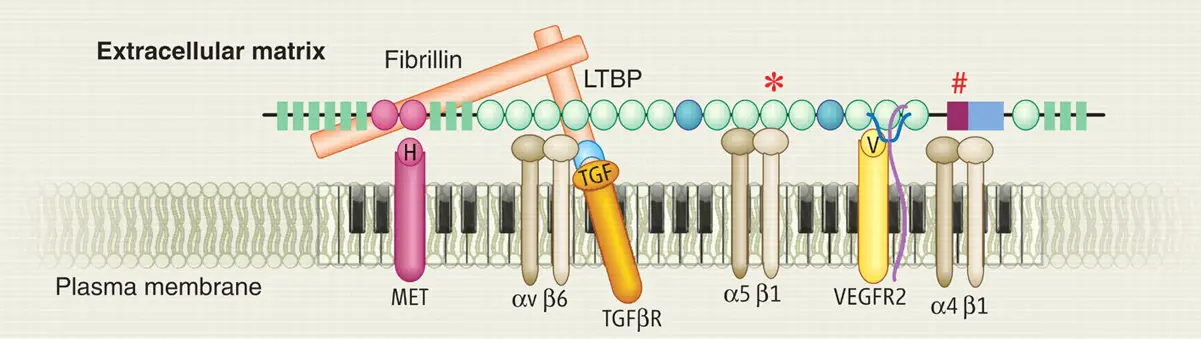
- Research by Erkki Ruoslahti, PhD, with Michael D. Pierschbacher, PhD, leads to the discovery of the peptide sequence RGD (arginine-glycine-aspartic acid), a key integrin-binding sequence involved in cell adhesion to the extracellular matrix. The work enabled subsequent drug design efforts targeted at cancer, stroke and heart attack.
Read More about research by Erkki Ruoslahti
Cell adhesion is a vital process by which cells interact and attach to neighboring cells or to their surrounding extracellular matrix (ECM), a dynamic, three-dimensional, biochemically active meshwork of proteins and polysaccharides, such as fibronectin, collagen and laminin, that provide structural scaffolding, support and signaling cues.
Embryonic development, tissue formation, wound healing, immune system response and cell signaling all rely upon cell adhesion. Alterations in cell adhesion are critical in disease progression, particularly in cancer metastasis where cells detach from primary tumors and invade other tissues.
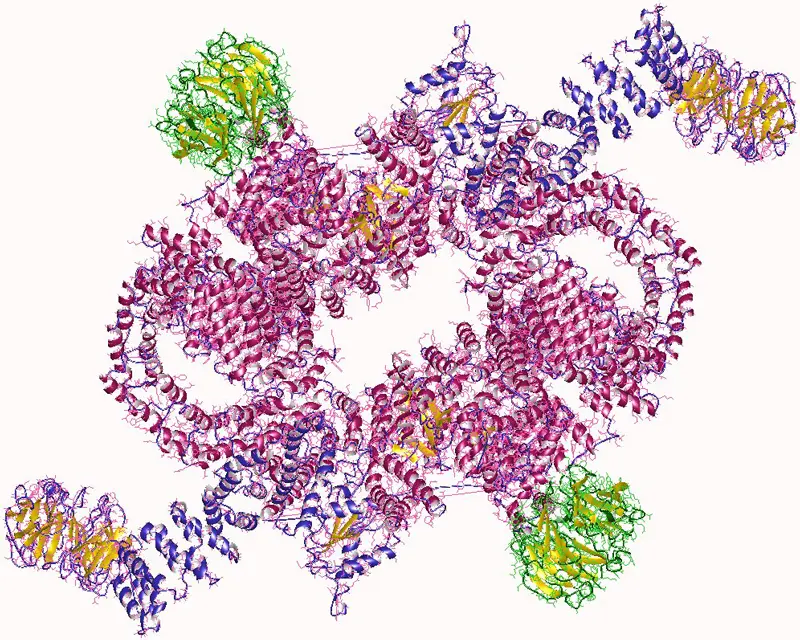
Crystal structure of an extracellular segment of integrin alphaVbeta3 complex with a cyclic peptide containing the arginyl-glycyl-aspartic acid sequence.
In 1984, Erkki Ruoslahti, PhD, and Michael Pierschbacher, PhD, researchers at then–La Jolla Cancer Research Foundation, identified the Arg-Gly-Asp (RGD) tripeptide sequence within fibronectin, a large glycoprotein in the ECM that acts like a molecular glue to aid cell adhesion, among other functions. Ruoslahti and Pierschbacher published their findings in the May 3, 1984 issue of Nature.
Specifically, they demonstrated that short peptide fragments containing the RGD sequence were almost as effective as the complete fibronectin molecule in promoting cell adhesion. Subsequent research found that synthetic RGD-containing peptides could work as competitive inhibitors, effectively detaching cells from the surface.
The discovery evolved through a series of papers over the next three years and marked a shift from viewing adhesion as a passive phenomenon to one that is receptor-mediated (integrins) and linked to intracellular signaling.
Their work significantly advanced understanding of cell-matrix interactions and paved the way for modern tissue engineering and drug development focused on pathologies in which cell adhesion fails, such as when tumor cells break free and spread to other areas of the body.
1988
- Eva Engvall, PhD, MD, co-discovers merosin, a tissue-specific laminin protein critical to the stability of muscle fibers. When deficient, it is the cause of a specific form of congenital muscular dystrophy and thus a compelling drug target.
- Erkki Ruoslahti, PhD, and colleagues help define the role of Transforming Growth Factor-beta (TGF-β) in tissue scarring. TGF-β is a central driver of tissue fibrosis across multiple organ systems. Ruoslahti’s lab also identifies the role of decorin, a natural, complex protein that inhibits TGF-β.
1989
- Channing Der, PhD, and Janice Buss, PhD, contribute to understanding how mutations in RAS proteins, which serve as molecular switches regulating cell growth, survival and differentiation, drive multiple cancers. Recent advances have enabled targeted therapies for specific RAS mutations in cancer, specifically pancreatic, lung and colorectal.
- With contributions to the broader understanding of erythropoiesis biology (the process of producing red blood cells) from researchers at Sanford Burnham Prebys, EPOGEN® (epoetin alfa) is approved to treat anemia associated with chronic kidney disease or on dialysis by helping the body create more red blood cells, reducing the need for transfusions.
1990
- Elena Pasquale, PhD, identifies a number of novel cell surface receptors dubbed Eph receptors, which foster cell communication by binding ephrin proteins on the surfaces of neighboring cells. They play important roles in cell organization, interaction and migration—and are involved in a vast array of physiological and disease processes, from neurological functions to cancer, suggesting great therapeutic potential.
Read More about research by Elena Pasquale
Erythropoietin-producing hepatocellular (Eph) receptors are the largest subfamily of receptor tyrosine kinases (RTKs), comprising approximately 14 members (two subclasses) in humans. They play critical roles in cell-cell communication, tissue patterning and axon guidance during development. Angiogenesis (the formation of new blood vessels from pre-existing one) and boundary formation are central Eph functions.
Activation occurs through binding to membrane-bound ephrin ligands on adjacent cells, triggering bidirectional signaling — forward signaling through the receptor and reverse signaling through the ligand.
In the early 1990s, Elena Pasquale, PhD, helped identify and characterize multiple Eph receptors, significantly advancing understanding of their biological functions.
This illustration depicts the protein structures of a typical receptor on the outer membrane of a cell. The green structure at the left bottom corner is the Golgi complex organelle, which is involved in protein processing and trafficking, including delivery of membrane proteins, such as receptors.
Elena Pasquale, PhD, Professor, Cancer Metabolism and Microenvironment Program.
Her work and that of others revealed their role in mediating cell-cell repulsion. A critical signaling process that balances adhesion (see 1984-Erkki Ruoslahti) to organize tissue structure, guide cell migration and enable proper development.
Cell-cell repulsion prevents improper cell mixing, directs nerve axons to their appropriate targets and drives collective cell movements during embryonic formation. When it goes wrong, cancer progression and metastasis may result.
Ongoing research into Eph/ephrin signaling has informed efforts to develop targeted cancer therapies and has linked variants in the EPHA1 gene to altered risk of Alzheimer’s disease, though the underlying mechanisms remain under investigation.
- Minoru Fukuda, PhD, unravels the structures of vascular cell surface molecules that grasp circulating white blood cells (leukocytes) and play a role in tumor metastasis. Fukuda’s continued work showed that sulfated forms of these molecules are essential to recruit leukocytes to sites of injury and inflammation.
1992
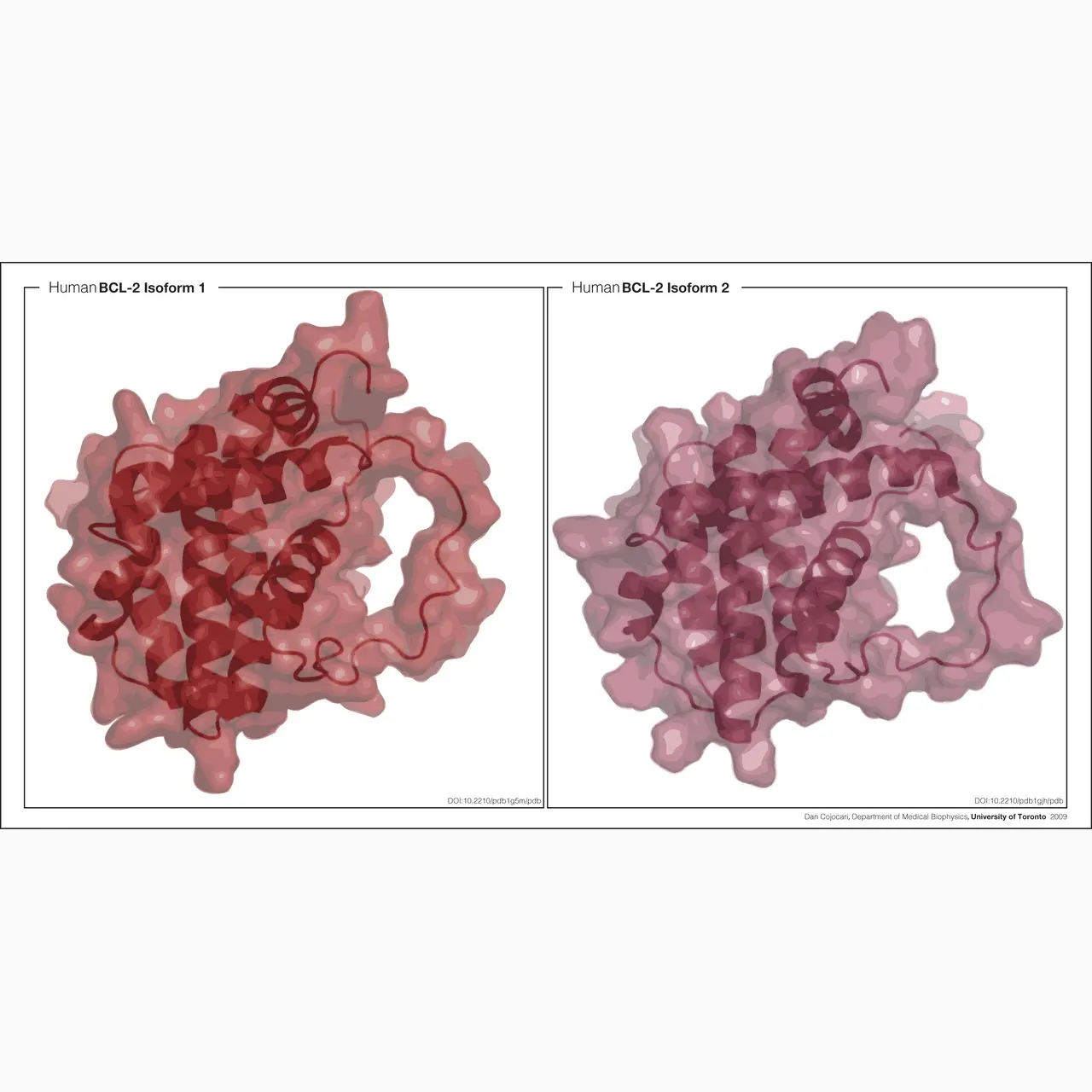
- John Reed, MD, PhD, observes that the activity of common anti-cancer drugs requires the cancer cells to undergo programmed cell death, known as apoptosis, significantly advancing the field. Reed’s work also helps elucidate the role of Bcl-2 proteins involved in apoptosis, which becomes a mechanism by which many subsequent anti-cancer drugs work.
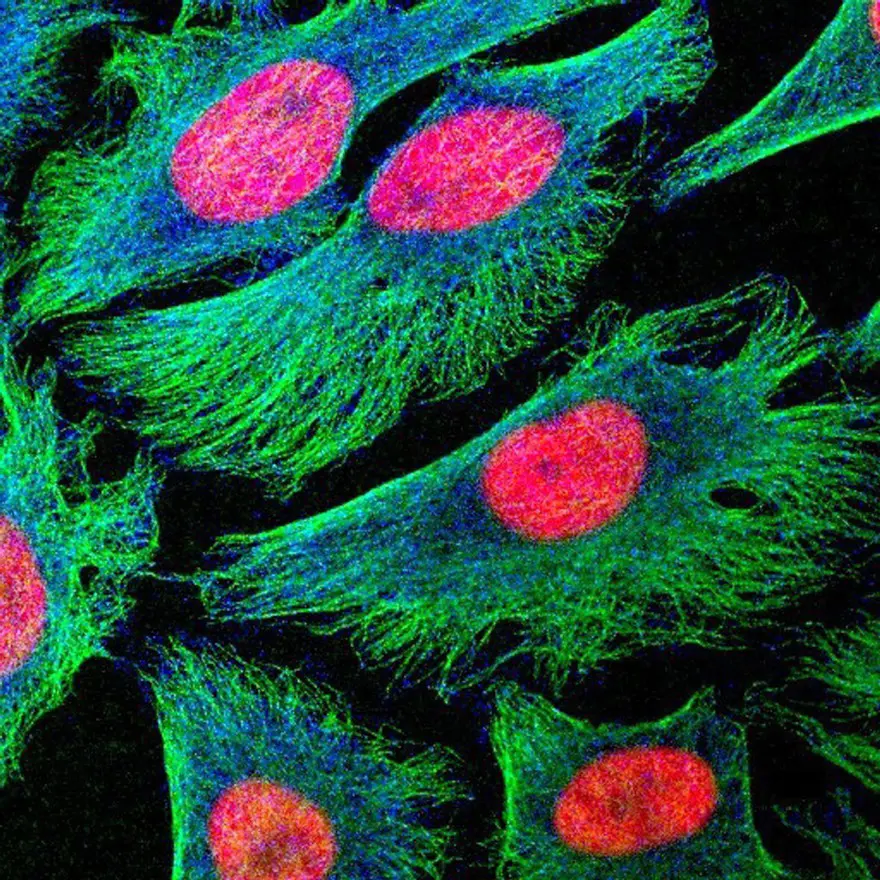
Read More about research by John Reed
As early as the mid-19th century, scientists had observed that cells sometimes died in development, though for decades the significance of this biological event was unknown or underappreciated.
Then in 1972, a trio of researchers published a seminal paper on the topic. They called it “apoptosis,” a Greek term for “falling off,” like petals or leaves.
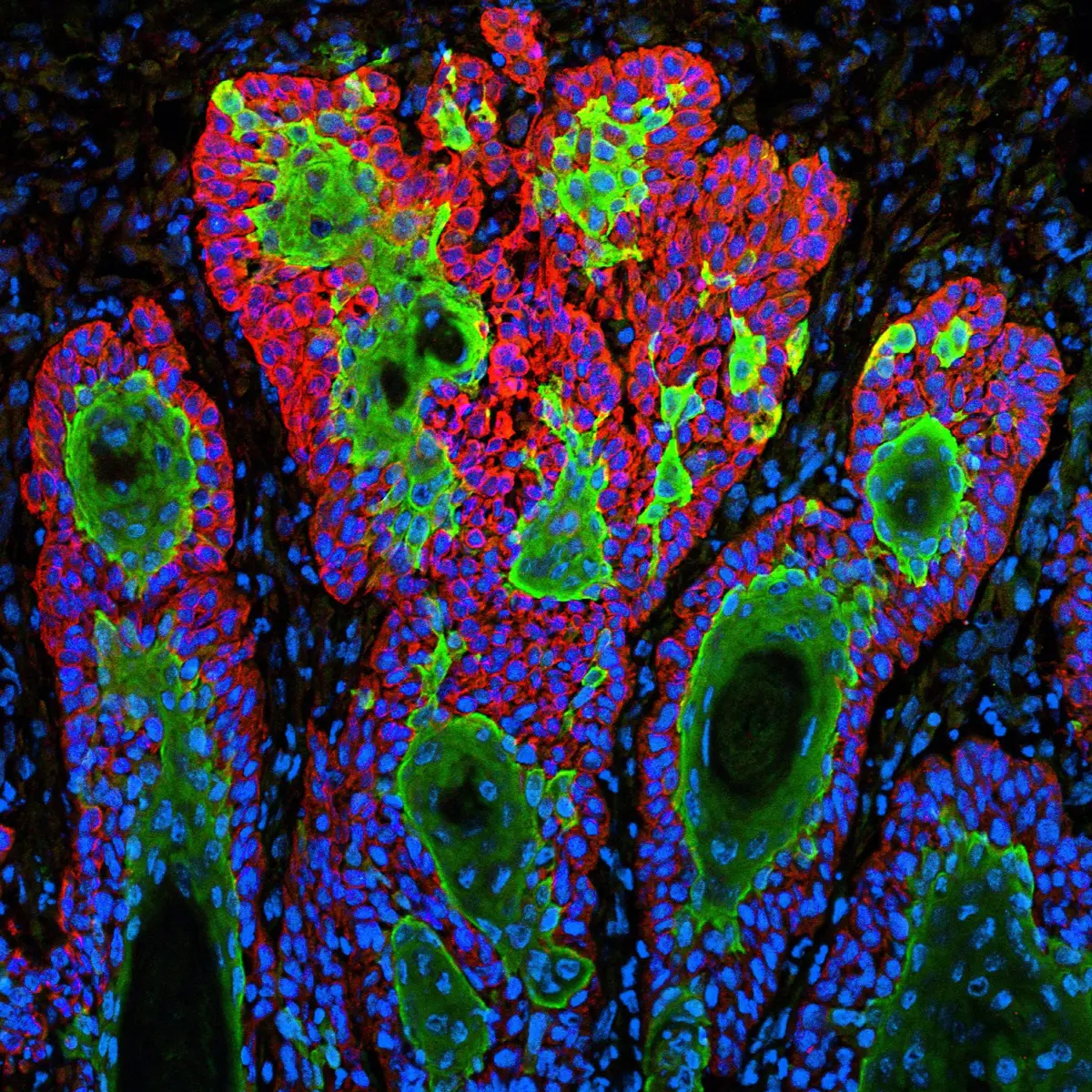
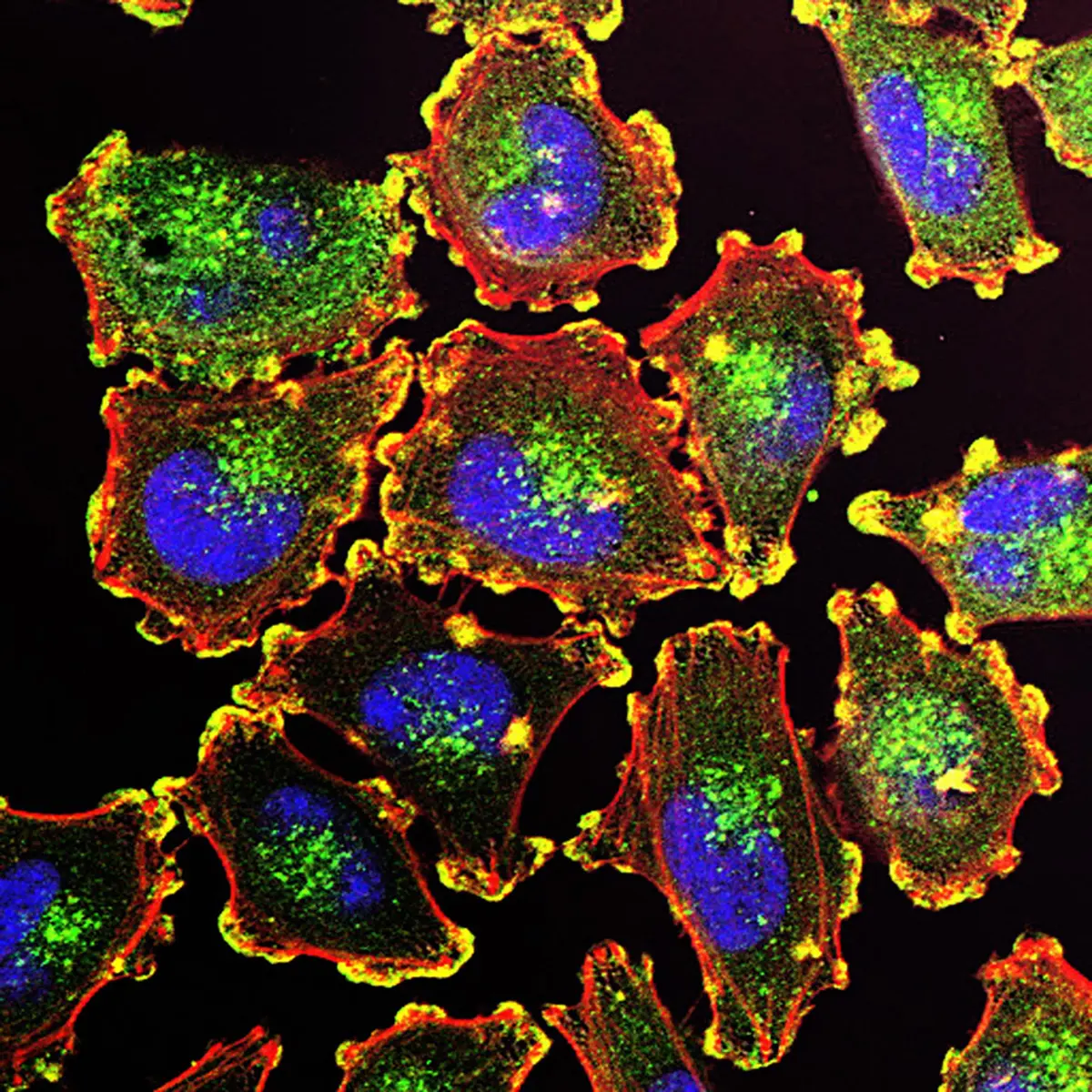
Cells undergo apoptosis or programmed cell death to maintain overall organism health by eliminating damaged, unnecessary or potentially dangerous cells without inducing inflammation. Apoptosis, which literally involves bits of the cell falling off, is also one of several cancer-suppressive mechanisms by destroying tumor-prone cells.
The work of John F.R. Kerr, Andrew H. Wylie and Alastair R. Currie spawned much greater interest and investigation, leading in part to the discovery in 1992 by John Reed, MD, PhD, a professor and later president and CEO of then-Sanford-Burnham Medical Research Institute, and others that many anti-cancer therapies act by triggering apoptosis in malignant cells.
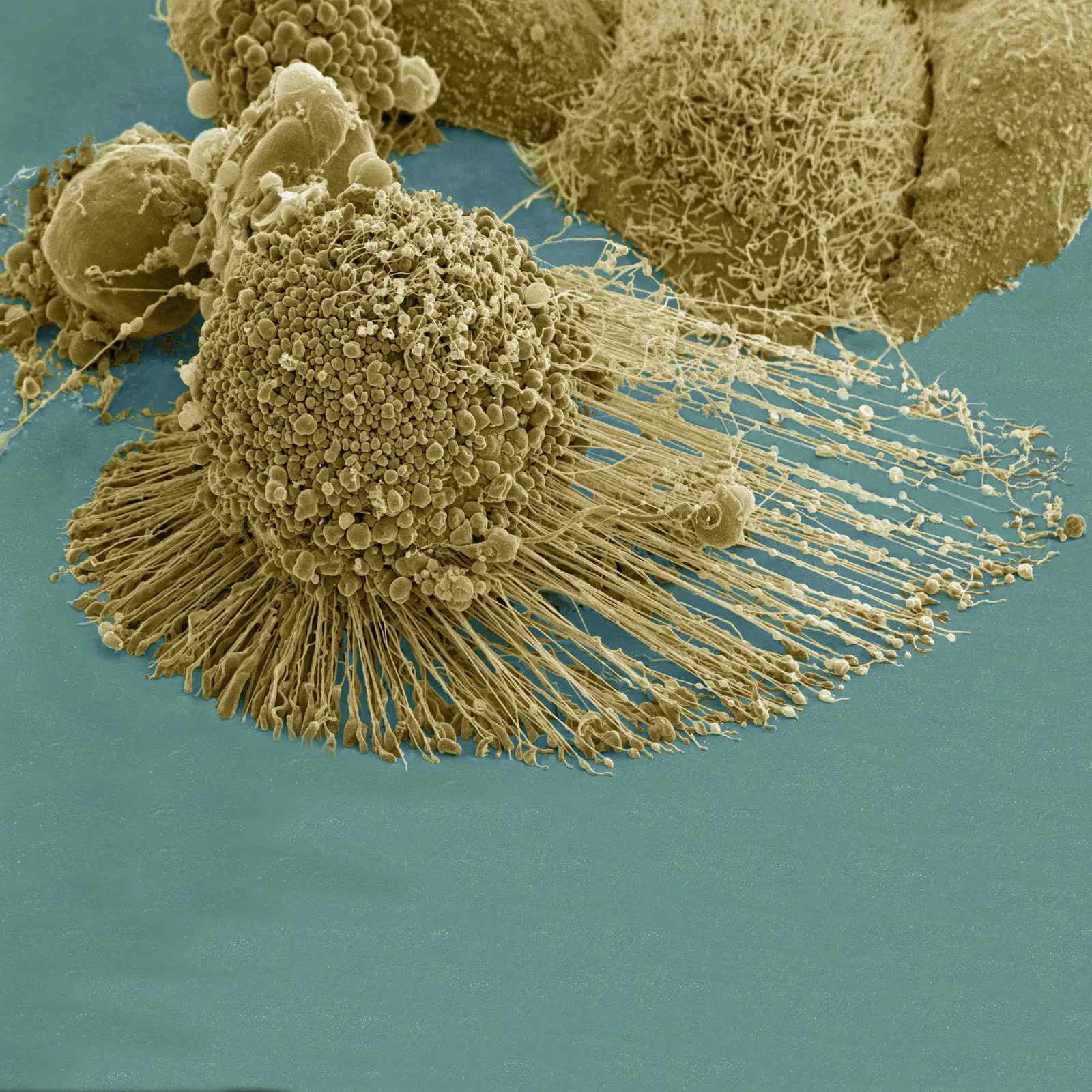
A colorized scanning electron micrograph depicts liver cells undergoing apoptosis. The balloon-like structures are known as blebs–membrane-bound protrusions that form when the cell membrane detaches from the internal cytoskeleton during apoptosis. These irregular bulges contain cytoplasm and organelles, eventually breaking off to form apoptotic bodies that are cleared away by phagocytes to generally avoid triggering inflammation.
John Reed, MD, PhD, former president and CEO of Sanford-Burnham Medical Research Institute.
This finding, followed by a series of studies and papers by Reed and colleagues, elucidated how cancer cells can be induced to commit suicide.
Specifically, Reed and others explained the role of Bcl-2 proteins as critical regulators of cell pathways involved in apoptosis, either inhibiting or promoting cell death.
Foundational work by Reed and others has greatly expanded drug discovery and efficacy in cancer therapeutics, leading to a host of new drugs, such as venetoclax, and treatments.
1994
- The PSA test is the most common screening tool for prostate cancer. It measures blood levels of a protein called prostate-specific antigen. Elevated levels may indicate prostate cancer. The PSA test relies in part upon original, foundational and enabling work conducted by Eva Engvall, MD, PhD, and Peter Perlmann, PhD, who co-invented the ELISA test in 1971—a highly sensitive blood test used to detect and measure antibodies, antigens, proteins and hormones. ELISA is widely used to diagnose infections like HIV and Lyme disease and to monitor hormone levels or food allergies.
Read More about research by Eva Engvall
“Eva Engvall didn’t set out to revolutionize medicine. But she did.”
So writes National Public Radio reporter J.J. Sutherland on the 35th anniversary (2006) of the debut of the ELISA test, which Engvall, PhD, Peter Perlmann, PhD, and colleagues at Stockholm University invented in the early 1970s.
ELISA stands for enzyme-linked immunosorbent assay, a highly sensitive laboratory technique used to detect and quantify substances like antibodies, antigens, proteins and hormones in biological samples, such as blood, serum and saliva.
The ELISA test dramatically advanced diagnostics. The test produces results quickly and can simultaneously assess many samples.
Eva Engvall, MD, PhD, Professor Emerita, Sanford Burnham Prebys Medical Discovery Institute.
By using enzyme-linked antibodies to produce a measurable color change, it diagnoses biomarkers for infections and disease, and over the years has become widely used to test for everything from the flu, allergies and pregnancy to HIV, cancer and COVID. It is celebrated in immunology for its reliability and precision.
The work of Engvall, who joined the Sanford-Burnham Medical Research Institute in 1979, was foundational and enabling to the subsequent invention by Richard J. Albin, PhD, and others of the Prostate-Specific Antigen (PSA) test, approved by the FDA in 1994 and now widely used to detect prostate cancer.
Though the PSA test has been improved and refined, the ELISA method remains a cornerstone in clinical laboratories for PSA testing.
- Steven Frisch, PhD, and Hunter Francis, PhD, describe and name anoikis, a type of programmed cell death that occurs when anchorage-dependent cells detach from their microenvironment, and thus a key barrier to cancer cells spreading (metastasis) and new therapies that prevent cancer.
1995
- Michiko Fukuda, PhD, leads efforts to discover group of proteins, specifically trophinin, that enable embryos to attach to the uterus. He later posits that trophoblastic cancers use the same signaling pathway, enabling them to invade tissues, adhere to surfaces and proliferate.
1997
- Hudson Freeze, PhD, identifies the defective protein glycosylation gene that causes Congenital Disorder of Glycosylation Type lb, a rare human genetic disease, and successfully proposes a restorative therapy using mannose, a type of sugar, as a dietary supplement.
1998
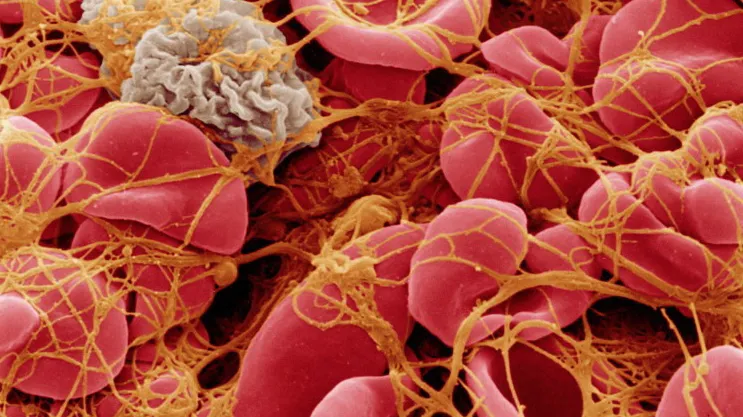
- Approved by the FDA, INTEGRILIN® (eptifibatide) prevents blood platelets from sticking together and forming clots. Blood clots are a major threat among high-risk cardiac patients. Integrilin is inspired by discoveries by Erkki Ruoslahti, PhD, who identified the specific amino acid sequence (RGD) that allows cells and platelets to adhere to one another.
- Collaborating with others, Ruoslahti then leverages the RGD amino acid to foundationally advance development of AGGRASTAT® (tirofiban), a type of “blood thinner” prescribed for people at risk of a heart attack or other serious blood flow problems. Aggrastat is approved for clinical use in 2000.



1999
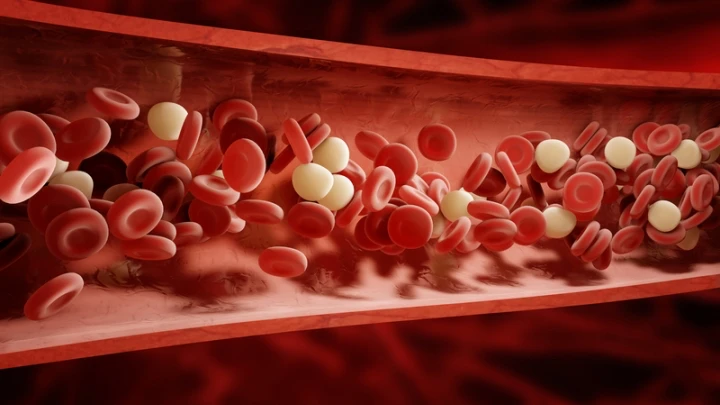
- Marcia Dawson, PhD, and Xiao-kun Zhang, PhD, contribute to the development of an FDA-approved drug TARGRETIN® to treat cutaneous t-cell lymphoma, a type of non-Hodgkin blood cancer. They tapped into the natural pathway by which beta-carotene and vitamin A fight cancer, creating compounds thousands of times more potent.
Read More about research by Marcia Dawson
T-cell lymphoma is a rare, complex group of non-Hodgkin lymphomas that develop when T-lymphocytes, a type of white blood cell, become cancerous and multiply uncontrollably. They are often aggressive and associated with relatively poor outcomes, although prognosis varies widely by subtype.
Linked to the lymphatic system, these lymphomas can occur throughout the body, from lymph nodes to blood to bone marrow to tissues like the liver and nasal cavity. Cutaneous T-cell lymphoma (CTCL) originates in the skin, but in advanced stages can spread to other parts of the body.
CTCL usually shows up first as itchy patches or plaques on the skin. Most cases are early-stage mycosis fungoides, which is indolent with a high 10-year survival rate but advanced cases of another subtype—Sézary syndrome are aggressive, with 5-year survival ranging from 30% to 51%.
A colorized scanning electron micrograph of a T cell. Courtesy of NIAID.
Marcia Dawson, PhD, former professor emeritus at the Burnham Institute.
In 1999, Marcia Dawson, PhD, and Xiao-kun Zhang, PhD, at then-Burnham Institute, working with colleagues at SRI International, contributed to the development and patenting of an experimental drug called bexarotene to treat CTCL. The goal was to create a new form of treatment for patients whose disease had not responded to other therapies.
Bexarotene is a synthetic retinoid. It uses vitamin A derivatives to selectively bind to (RXR) cancer cell receptors involved in cell growth and differentiation. In doing so, it encourages apoptosis or cell death (See 1992-John Reed). The synthetic compounds developed by Dawson and Zhang were engineered to be thousands of times more potent than natural vitamin A derivatives by optimizing their binding affinity.
The FDA approved Targretin (developed by Ligand Pharmaceuticals, a San Diego biotech company) in 1999 for patients with CTCL who have not responded to at least one prior systemic therapy. It is available as both oral capsules and a topical gel.
Targretin has also been used off-label for non-small cell lung cancer and breast cancer. The drug has been investigated in clinical and preclinical studies for other cancers and neurological conditions, with mixed results.
2001
- A collaboration led by Robert Liddington, PhD, resolves the three-dimensional crystal structure of anthrax toxin Lethal Factor, a protein required for the bacterium to perform its deadly function. Liddington’s team subsequently describes the crystal structure of the binding complex between anthrax toxin and one of its host receptors.
2006
- The Sanford Burnham Prebys Graduate School of Biomedical Sciences is established, focused on training future researchers through a collaborative, small-cohort approach. The school receives official accreditation from the Western Association of Schools and Colleges in 2015.
2010
- José Luis Millán, PhD, with Prebys Center medicinal-chemistry and enzymology teams discover and optimize potent, selective tissue-nonspecific alkaline phosphatase (TNAP) inhibitors, leading to the experimental therapeutic compounds SBI-425 and later in collaboration with Daiichi Sankyo, DS-1211, which has advanced to phase II testing in patients (2024) with pseudoxanthoma elasticum, a rare genetic connective tissue disorder that primarily affects skin, eyes and cardiovascular system. It is the first Prebys Center small molecule to reach human clinical testing, validating the institute’s drug-discovery pipeline.
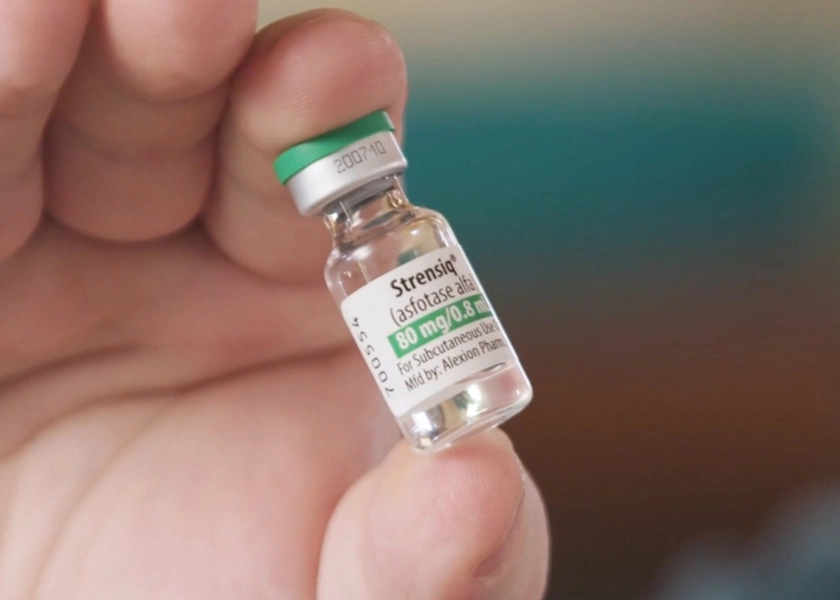
- Millán also performs foundational research that leads to development of STRENSIQ® (asfotase alfa), an enzyme replacement therapy approved in 2015 for the treatment of patients with perinatal/infantile and juvenile-onset hypophosphatasia, a genetic, chronic, progressive and life-threatening soft bone disease with debilitating or life-threatening complications.

Read More about research by José Luis Millán
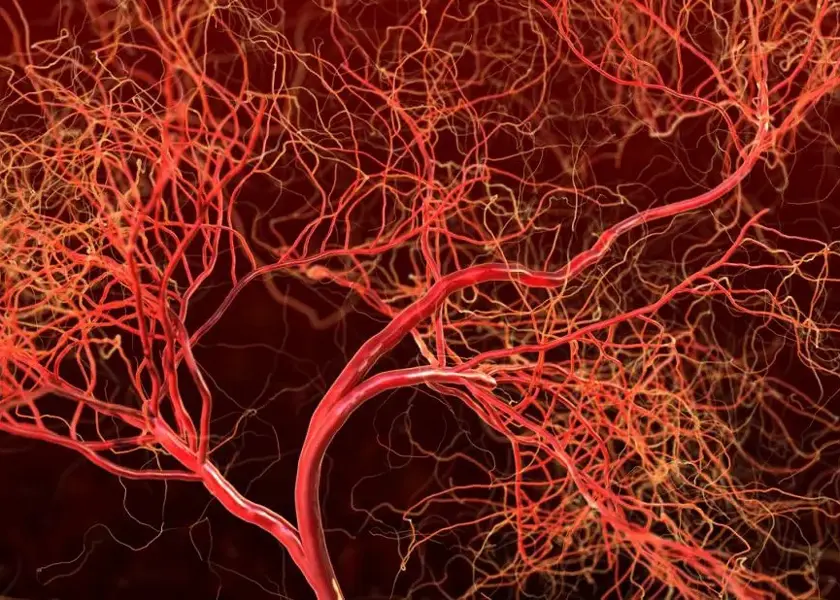
In 2010, José Luis Millán, PhD, a professor at then-Sanford Burnham Prebys Medical Discovery Institute, conducted foundational research leading to development of an investigational compound to treat pseudoxanthoma elasticum (PXE), a rare genetic disorder (1 in 25,000-100,000) caused by ABCC6 gene mutations, primarily expressed in the liver, that leads to progressive calcification of elastic fibers in the skin, eyes, and blood vessels.
The compound became the first small molecule drug out of the Prebys Center for Chemical Genomics at Sanford Burnham Prebys to reach human clinical testing. The drug focuses on Tissue-Nonspecific Alkaline Phosphatase or TNAP, an enzyme that reduces levels of inorganic pyrophosphate, a potent inhibitor of calcification. By inhibiting TNAP, the investigational drug increases levels of pyrophosphate, preventing unwanted tissue calcification. It has advanced to early phase clinical evaluation.
Pseudoxanthoma elasticum or PXE is a rare genetic connective tissue disorder that primarily affects skin, blood vessels and eyes. In the case of the last, it causes calcium to accumulate in the Bruch’s membrane, leading to characteristic orange-peel retinal pigmentation (peau d’orange), angioid streaks (breaks in the membrane) and severe vision loss due to choroidal neovascularization or macular degeneration.
José Luis Millán, PhD, Professor in the Center for Cardiovascular and Muscular Diseases, Sanford Burnham Prebys Medical Discovery Institute.
Millán would also conduct seminal studies leading to the development of Strensiq, an enzyme replacement therapy approved in 2015 for the treatment of patients with perinatal/infantile and juvenile-onset hypophosphatasia (HPP), a genetic, chronic, progressive and life-threatening soft bone disease with debilitating or life-threatening complications.
While severe forms of (HPP) are rare, estimated at roughly 1 in 100,000 to 300,000 births, milder adult forms are more common, with prevalence rates ranging from 1 in 6,300 to, in some estimates, as high as 1 in 500, often due to underdiagnosis.
Millán, who has worked at Sanford Burnham Prebys almost since its inception, is currently developing a novel gene therapy that could eventually result in a single injection that could provide lifetime treatment.
2011
- Led by Ranjan J. Perera, PhD, researchers identify key non-protein coding RNA molecules that can be the basis for more accurate melanoma diagnostics, particularly at early stages.
2014
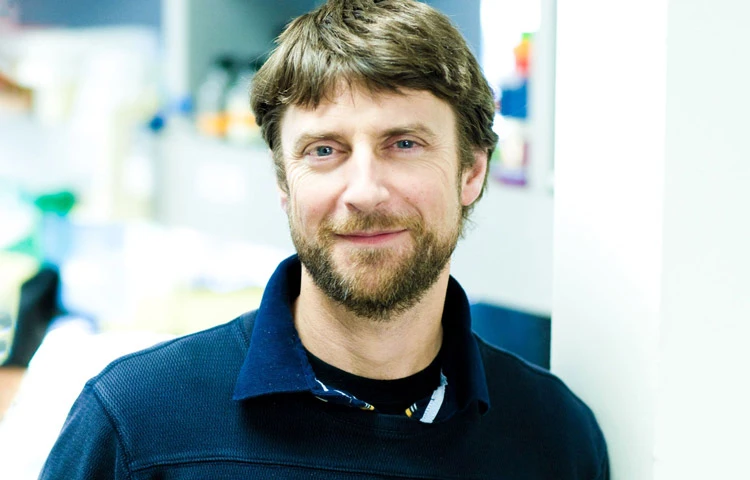
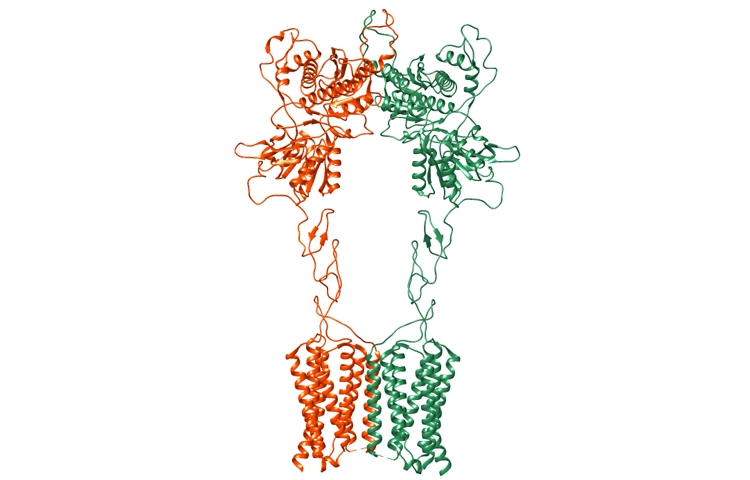
- Nick Cosford, PhD, Douglas Sheffler, PhD, in collaboration with Camino Pharmaceuticals, Wake Forest and UC San Diego, develop small molecule drug-like compounds that modulate activity of metabotropic glutamate receptor 2 (mGlu2), providing pathway to new treatments of addiction. Drug candidate SBP 9330 for tobacco use disorder has progressed to preparations for phase II clinical trials in 2026.


2015
- Preclinical research by Ze’ev Ronai, PhD, suggests a rare sugar called L-fucose, found in seaweed, mushrooms, seeds and other foods, may have therapeutic potential to treat skin cancers. The discovery identified a novel potential link associating L-fucose with melanoma, the most dangerous form of skin cancer.
2016
- Scientists at Sanford Burnham Prebys perform fundamental cancer research that helps identify the mechanisms that help lay the foundation for pharmaceutical development of VENCLEXTA® (venetoclax), an FDA-approved drug that blocks the Bcl-2 protein, which is often overexpressed in chronic lymphocytic leukemia cells. (See 1992-John Reed). By inhibiting Bcl-2, Venclexta restores the process of apoptosis, allowing cancer cells to self-destruct.
- Dieter A. Wolf, MD, and colleagues identify the eukaryotic translation initiation factor 3 subunits eIF3d and eIF3e as crucial for the survival of cancer stem cells. Inhibiting these factors could preferentially target and kill cancer stem cells, effectively preventing tumors from growing, returning or spreading.
- Muthu Periasamy, PhD, learns that stimulating muscle to generate heat, specifically through a process called non-shivering thermogenesis, can increase calorie burning and combat obesity. The work presents therapeutic potential, bit no near-term treatments.
- Jorge Moscat, PhD, and Michael Karin, PhD, discover that high levels of the protein p62 in human liver samples are strongly associated with cancer recurrence and reduced patient survival. In mice, they also found that p62 is required for liver cancer to form. The findings suggest p62 could be used as a prognostic marker and potential therapeutic target for liver cancer.
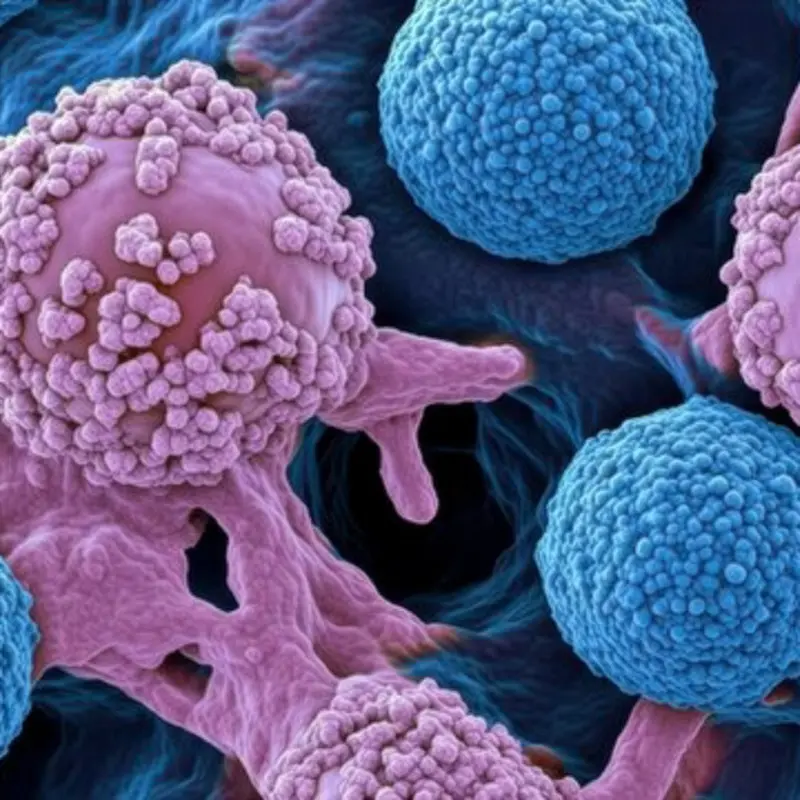
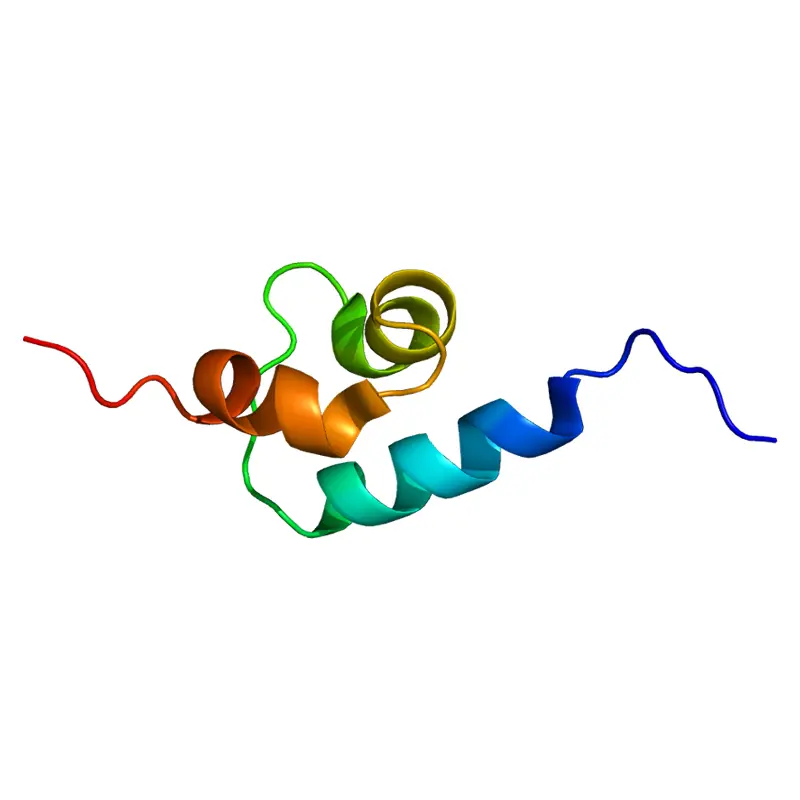

- Sheila Collins, PhD, identifies a protein complex called mTORC1 as an important regulator (one of many) involved in the conversion of “bad” white fat to “good” brown fat. The findings could help treat metabolic disorders, such as obesity.
Read More about research by Sheila Collins
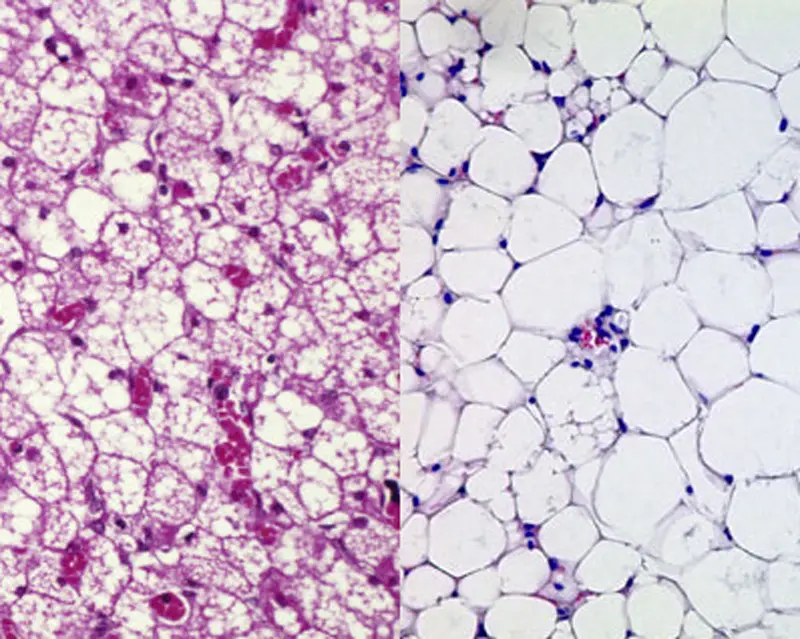
White adipose tissue or WAT is the body’s primary energy storage, retaining excess calories as single-droplet triglycerides. WAT acts as insulation, cushions organs and releases hormones like leptin to manage energy balance.
WAT is more colloquially known as white fat and most American adults have too much of it for their own good. Excessive white fat, characterized microscopically by big, white fat cells, is associated with obesity, which can lead to cardiovascular disease, high blood pressure and insulin resistance (type 2 diabetes).
When WAT is burned during activity or exercise, elements of it can be induced to behave like brown adipose tissue (BAT), which has the therapeutic benefit of thermogenic. Metaphorically speaking, it heats up and melts away white fat cells.
In 2016, Sheila Collins, PhD, and colleagues identified a protein complex called mechanistic target of rapamycin complex 1 (mTORC1) as a central regulator of cellular metabolism, growth and survival, a sensor for nutrients, energy and growth factors.

The prevalence of obesity in the U.S. is approximately 40%–43% for adults, affecting over 100 million people, according to recent CDC estimates. Severe obesity is rising, affecting nearly 10% of adults. Nearly 74% of U.S. adults aged 20 and older are overweight.
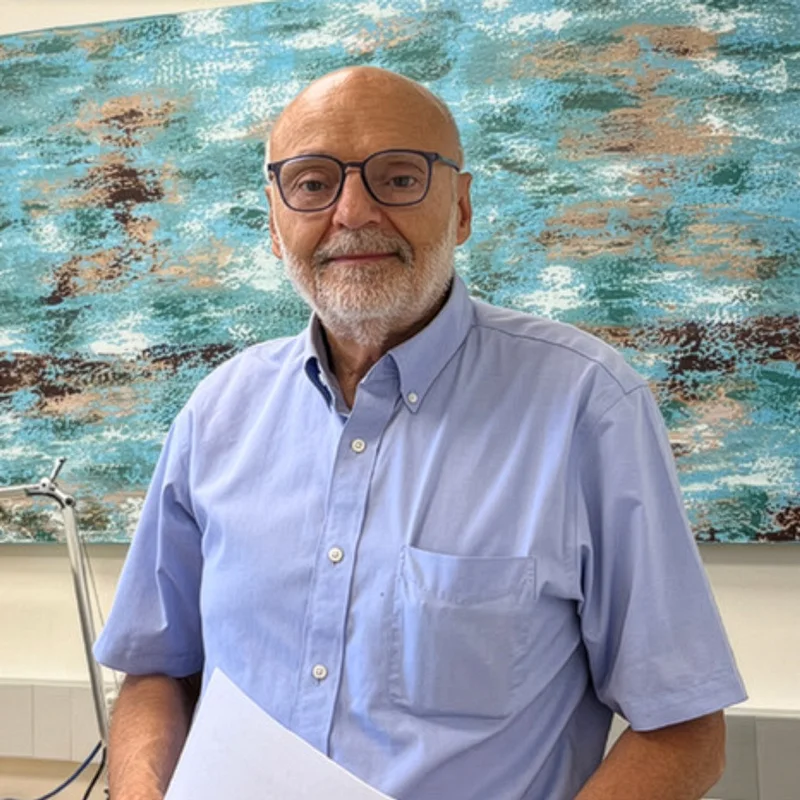
Sheila Collins, PhD, former professor at Sanford Burnham Prebys Medical Discovery Institute.
It also was critical to the conversion of “bad” white fat into “good” brown fat.
“Our study points to mTORC1…as a key regulator of fat browning,” said Collins, a professor at Sanford Burnham Prebys at the time. “Therapies that promote browning, or an increase in brown fat-like cells within the typical white fat tissue, are being actively pursued as a way to help people burn more calories independent of exercise.”
Since then, efforts to convert energy-storing white fat into calorie-burning brown (or beige) fat—often termed “browning”—have focused on focus on combating obesity and metabolic diseases through cold exposure, exercise, diet and experimental drug therapies.
Key methods have included activating thermogenesis via cold exposure, increasing the hormone irisin from exercise and targeting molecular pathways, such as inhibiting Notch signaling or PexRAP, to turn “bad” fat into “good” brown fat.
Some of these efforts have shown significant success in preclinical models and promise in early stage human studies; others remain dubious or controversial. None have yet yielded a widely available, long-term pharmaceutical solution for human obesity.
2017
- Huaxi Xu, PhD, and colleagues describe two key, interacting proteins called SORLA and SNX27 which play connected if not yet fully understood roles in recycling other proteins in the brain, including amyloid-b plaque proteins, a long-recognized hallmark of Alzheimer’s disease.
- Preclinical studies by Yu Yamaguchi, MD, PhD, demonstrate that the drug palovarotene suppresses the formation of bony tumors in models of multiple hereditary exostoses, a rare genetic condition that affects about 1 in 50,000 people worldwide. Palovarotene is now being tested in multiple human clinical trials.
2018
- Peter Adams, PhD, working with Prebys Center colleagues and Daiichi Sankyo, develop small molecule drug-like compounds that activate the enzyme NAMPT which regulates NAD+ biosynthesis, with context-dependent therapeutic implications for obesity, aging (frailty), cancer cachexia, pain and neuroprotection. Most advanced compounds are now advancing through preclinical animal models.
- Crystal Zhao, PhD, and colleagues are among first to describe how an mRNA modification impacts the life of neural stem cells, revealing a novel gene regulatory system that may advance stem cell therapies and gene-targeting treatments for neurological diseases.
- Jamey Marth, PhD, and colleagues propose that a past history of minor bacterial infections can add up with age to cause severe inflammatory disease. The findings may help identify the unknown origins of inflammatory bowel disease.
- Alessandra Sacco, PhD, describes the biology behind why muscle stem cells appear to respond differently to aging or injury, which has important implications for therapeutic strategies to regenerate skeletal muscle in response to the normal wear and tear of aging, cases of injury or in muscle diseases, such as dystrophies.
- Hudson Freeze, PhD, discovers cause for a rare type of dwarfism called Saul-Wilson syndrome—an alteration in the gene that codes for a protein that is part of a component controlling and maintaining the cell’s protein packager, the Golgi complex.
- Freeze and collaborators also create new diagnostic approach that determines which children with CAD deficiency—a rare metabolic disease—are likely to benefit from receiving uridine, a nutritional supplement that has dramatically improved the lives of other children with the condition. The therapy is particularly notable because it is simple, low-cost and highly effective, which is unusual in rare metabolic diseases.
Read More about research by Hudson Freeze
Saul-Wilson syndrome is an extremely rare form of primordial dwarfism characterized by very short stature (average adult height is approximately 3-foot, 6-inches) and distinct facial features.
In 2018, Hudson Freeze, PhD, at Sanford Burnham Prebys identified the cause of Saul-Wilson syndrome or SWS: a recurrent de novo heterozygous mutation in the COG4 gene, which provides instructions for creating Component of Oligomeric Golgi complex 4 protein—vital for the Golgi apparatus to function.
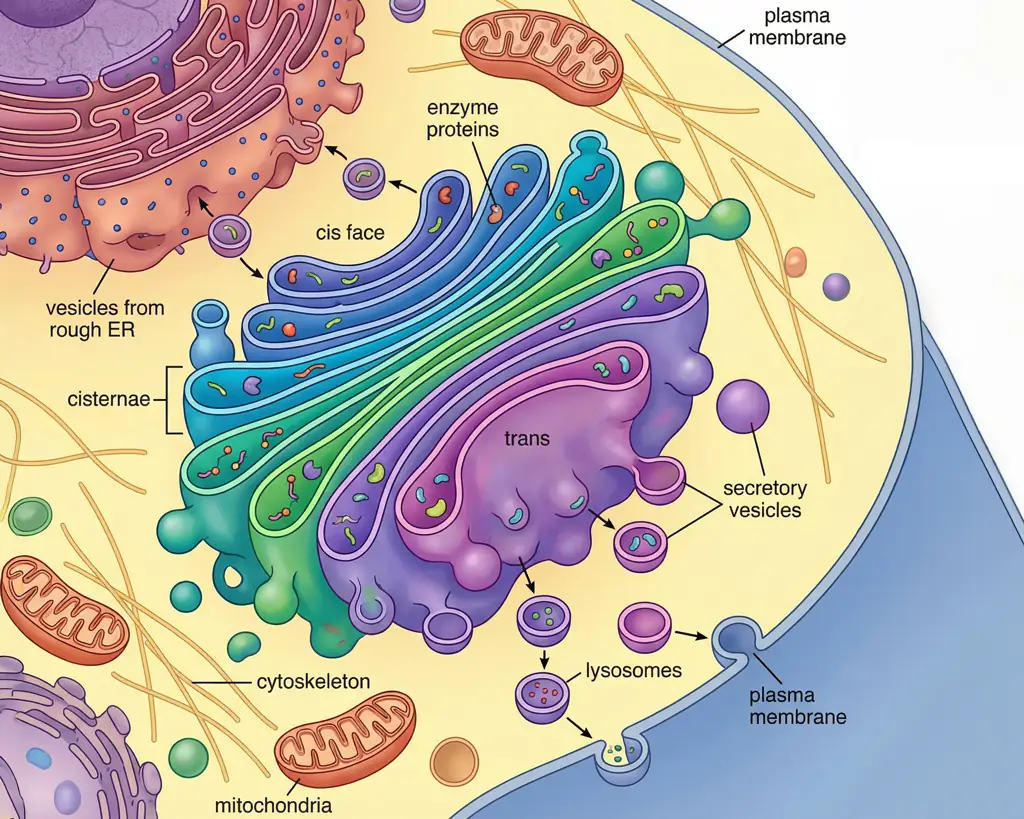
The Golgi apparatus is a membrane-bound organelle within eukaryotic cells that acts as the cell’s post office, modifying, sorting and packaging incoming proteins for delivery to target destinations, either inside the cell or beyond. It is particularly important for the adding and processing of sugar chains critical for protein stability and signaling.
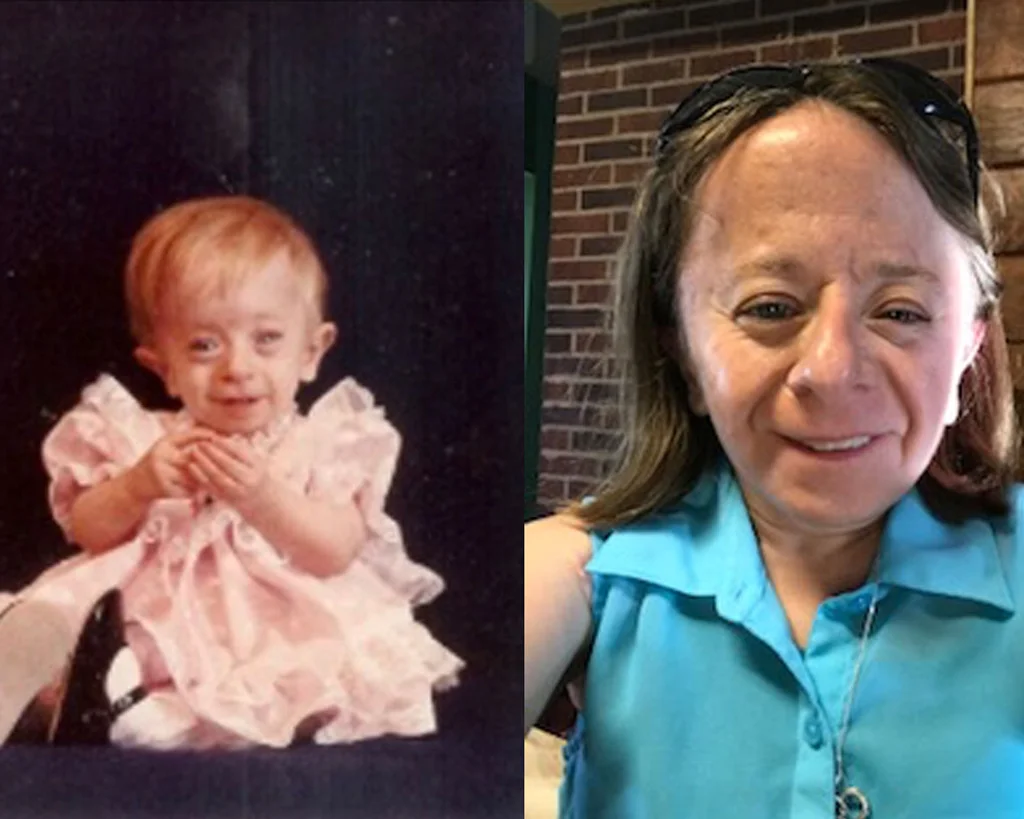
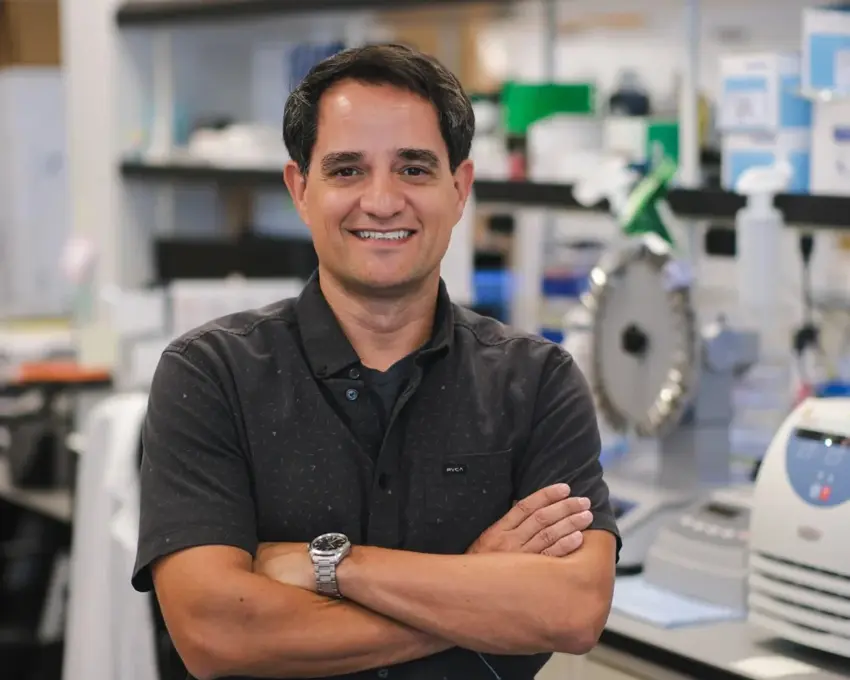
Hudson Freeze, PhD, Director of the Sanford Children’s Health Research Center and William W. Ruch Distinguished Endowed Chair professor at Sanford Burnham Prebys Medical Discovery Institute.
“The Golgi complex is where proteins ‘get ready for the dance,’” said Zhijie Xia, PhD, a postdoctoral researcher in Freeze’s lab when the discovery was first announced. “Here, proteins are modified in a variety of ways—such as sugars being added or removed—which affects their ultimate function in the body.”
Freeze said the work with SWS provides new insights into other mysterious conditions and to the complexities of genetic conditions—essential knowledge necessary to develop treatments and potential cures.
A few years later, Freeze and colleagues created a new diagnostic approach for children with CAD deficiency, a very rare but treatable genetic metabolic disorder caused by pathogenic variants of the CAD gene.
The condition disrupts synthesis de novo (new) biosynthesis of pyrimidines—organic compounds that act as foundational building blocks of DNA and RNA—resulting in refractory epilepsy, developmental delays and anemia. Untreated, CAD deficiency can be fatal.
Freeze and colleagues found that oral uridine supplementation can act as a “bypass” therapy, reversing symptoms by providing the necessary pyrimidines for brain function and development.
They developed a CRISPR-based cell assay that creates a CAD-knockout cell line dependent on external uridine, allowing them to confirm which patient-specific variants are truly deleterious and will respond to treatment.
2020
- Sumit Chanda, PhD, and Nicholas Cosford, PhD, create an experimental drug called Ciapavir that is effective at reactivating dormant human immunodeficiency virus (HIV). The investigative approach is intended to then use a functional HIV cure to activate and then eliminate all pockets of dormant HIV—a broadly investigated approach called “shock and kill.”
2021
- Scientists led by Ani Deshpande, PhD, show that two existing drug candidates—JAK inhibitors and Mepron—hold potential as treatments for a deadly acute myeloid leukemia, a first step toward finding effective treatments for the hard-to-treat hematologic (blood) malignancies.
- Sumit Chanda, PhD, and colleagues identify a set of human genes that fight SARS-CoV-2 infection, the virus that causes COVID-19. Identifying genes that help control viral infection advances understanding of factors affecting disease severity and suggests possible therapeutic options.
2022
- David Brenner, MD, Michael Karin, PhD, and collaborators report that fibrosis or scarring appears to stimulate and promote pancreatic ductal adenocarcinoma through the enzyme Discoidin Domain Receptor 1. PDAC is the most common and aggressive form of pancreatic cancer.
2023
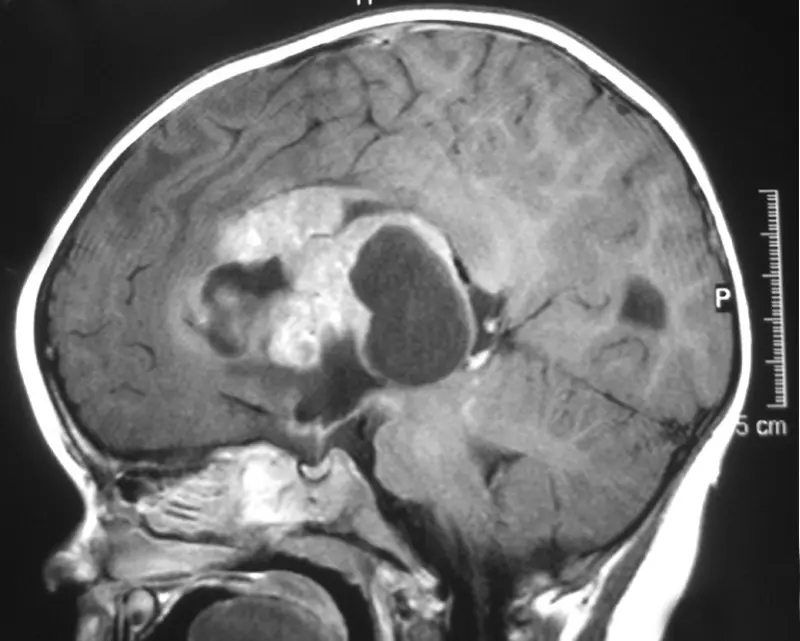
- Work by Lukas Chavez, PhD, finds that patients with brain tumors containing circular extrachromosomal DNA—loops of DNA found outside of regular chromosomes—appear twice as likely to relapse and three times as likely to die within five years of diagnosis. The research paves the way for possible development of new treatments for aggressive childhood brain cancers.
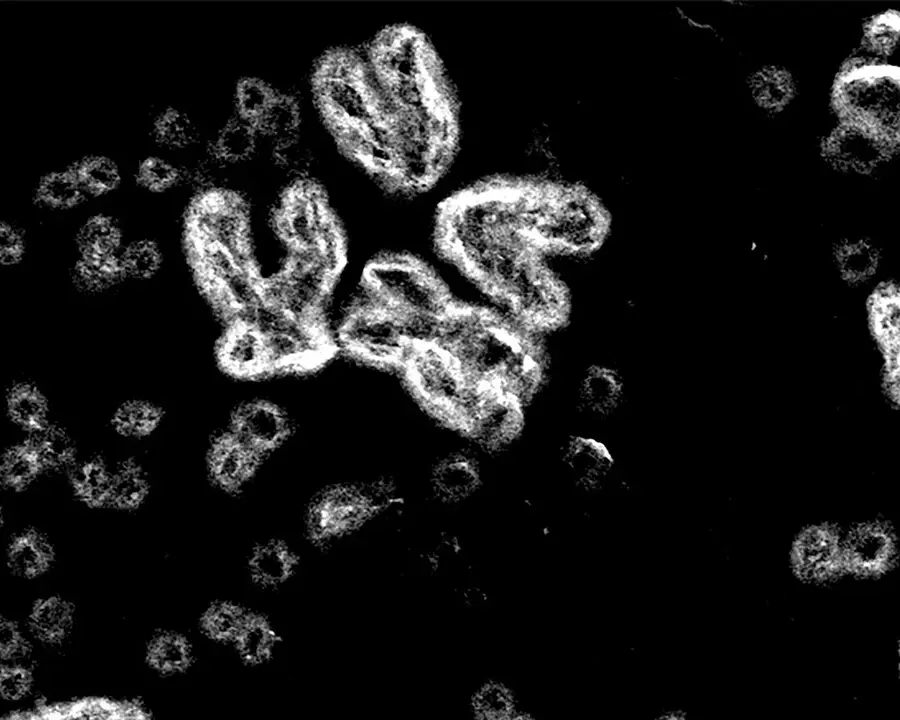
- Linda Bradley, PhD, and colleagues describe a new way to slow or reverse T cell exhaustion, which happens when immune cells are under constant stress due to cancer or other chronic diseases. The approach describes a new way to potentially lessen or prevent cancer cell resistance to immunotherapies.
2024
- After nearly 30 years of work, foundational research by Pier Lorenzo Puri, MD, on epigenetic targeting approaches contributes to the development and approval of DUVYZAT® (givinostat), the first non-steroidal drug to treat Duchenne muscular dystrophy.
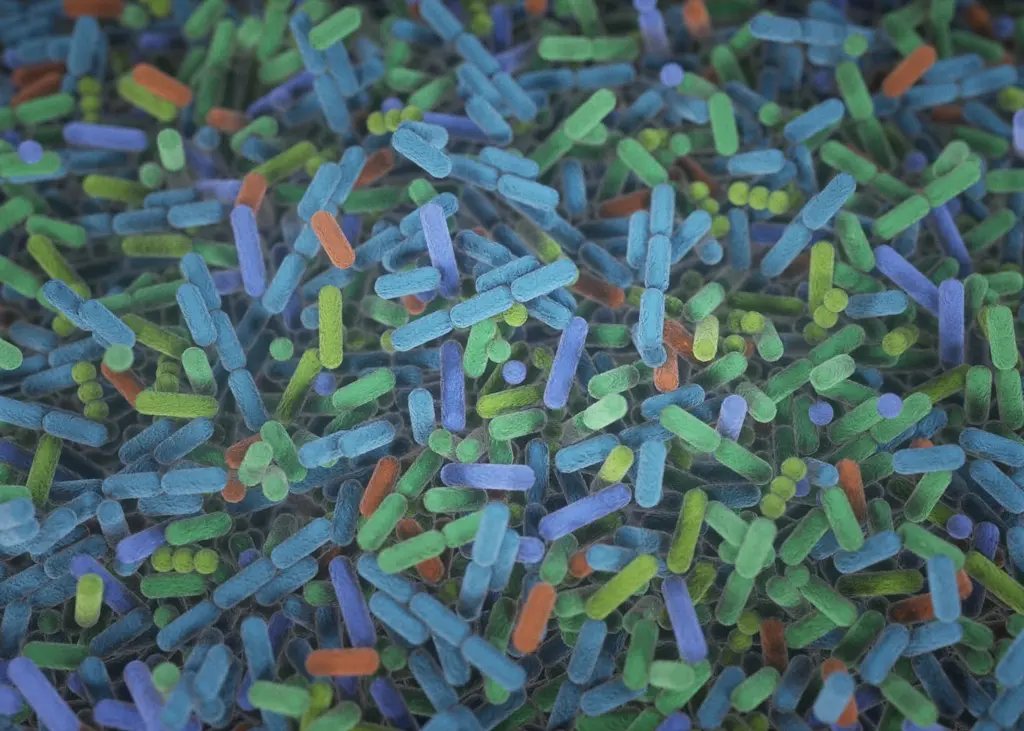
- Andrei L. Osterman, PhD, and colleagues develop and test Microbiota-Directed Complementary Foods, an interventional diet designed to repair the gut microbiome in children suffering from moderate to severe acute malnutrition. The diet often uses ingredients like chickpeas, bananas and peanuts to target specific gut bacteria to improve growth and metabolic function. Investigational and clinical work continues to evolve globally.


- Researchers including Kevin Tharp, PhD, and Kelly Kersten, PhD, illuminate how the fibrotic tumor microenvironment creates an inhospitable milieu for anti-tumor immunity, foundational findings to developing new treatment strategies.
- Brooke Emerling, PhD, uncovers new role for a neglected lipid in aggressive cancers. Activity by the lipid kinase PI5P4K is connected to regulation of an ancient signaling system called the hippo pathway, known to help human organs grow and control their size. The findings open new research avenues to tackle aggressive cancers.
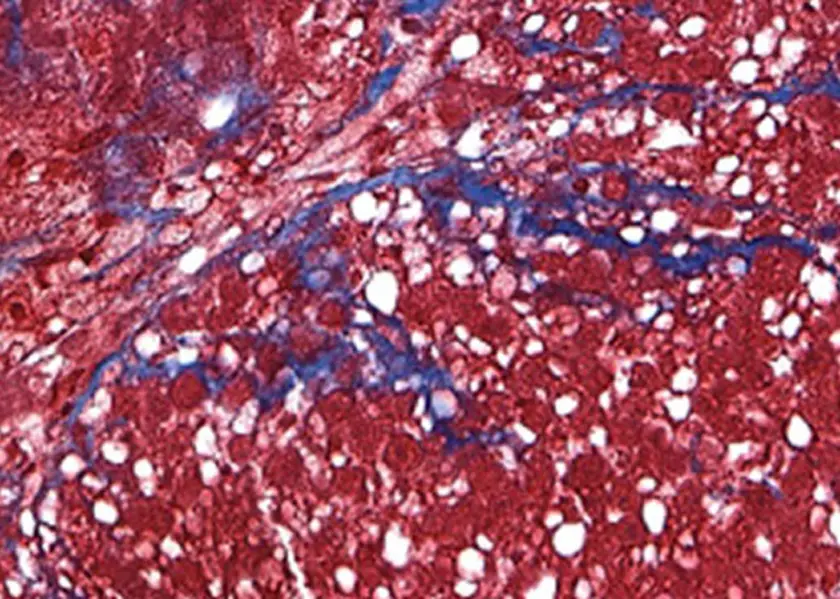
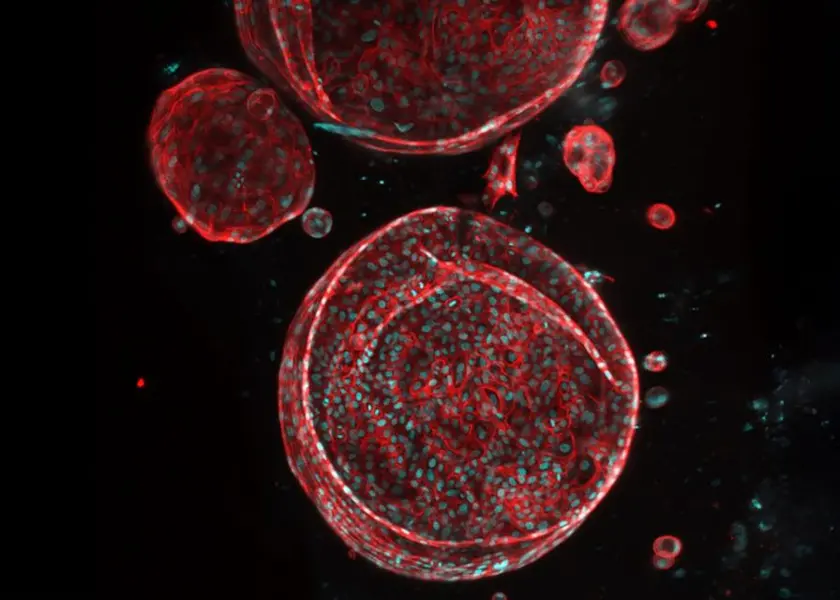
- David Brenner, MD, with collaborators, debuts new 3D bioprinted liver tissue model employing liver cells from healthy or disease donors that can be used to study common liver diseases and develop new treatments.



- Research based on work by computational scientist Sanju Sinha, PhD, with colleagues at the National Cancer Institute, leads to development of an AI-driven cancer prediction and treatment response modeling tool called PERCEPTION, which analyzes single-cell RNA sequencing data to identify resistant cancer cells, allowing doctors to select more effective, personalized treatments. Early testing demonstrated high accuracy in predicting treatment responses for 44 FDA-approved drugs.
Read More about research by Sanju Sinha
By definition, precision medicine (sometimes called personalized medicine) is disease prevention and treatment based on individual different in people’s genes, environments and lifestyles. There is no “one-size-fits-all” strategy, but rather a tailored treatment regimen designed for maximal success for each patient.
Among the greatest challenges of precision medicine is knowing which treatments are most likely to be effective, thus avoiding educated guesswork that could be counter-productive.
Sanju Sinha, PhD, Assistant Professor in the Cancer Metabolism and Microenvironment Program, NCI-designated Cancer, Sanford Burnham Prebys Medical Discovery Institute.
In 2024, Sanju Sinha, PhD, at Sanford Burnham Prebys, with colleagues at the National Cancer Institute, debuted findings from an artificial intelligence-driven cancer prediction tool called PERsonalized Single-Cell Expression-Based Planning for Treatments In Oncology or PERCEPTION. Their proof-of-concept findings were published in the journal Nature Cancer on April 18.
PERCEPTION analyzes vast datasets of single-cell RNA sequencing data to understand the clonal architecture of tumors and identify drug-resistant cells. Current approaches to matching patients to drugs rely on bulk sequencing of tumor DNA and RNA, which takes an average of all the cells in a tumor sample.
But tumors contain more than one type of cell and in fact can have many different subpopulations of cells, known as clones. The scientists believe these subpopulations of cells may respond differently to specific drugs, which could explain why some patients do not respond to certain drugs or develop resistance to them.
In their work, Sinha and colleagues investigated whether they could use a machine learning technique called transfer learning to train an AI model to predict drug responses using widely available bulk RNA sequencing data, but then fine-tune that model using single-cell RNA sequencing data.
Using this approach on published cell-line data from large-scale drug screens, the researchers built AI models for 44 FDA–approved cancer drugs. The AI models accurately predicted how individual cells would respond to both single drugs and combinations of drugs.
Then they tested their approach on published data for 41 patients with multiple myeloma treated with a combination of four drugs and 33 patients with breast cancer treated with a combination of two drugs.
The researchers discovered that if just one clone were resistant to a particular drug, the patient would not respond to that drug, even if all the other clones responded.
The AI model successfully predicted the development of resistance in published data from 24 patients treated with targeted therapies for non-small cell lung cancer.
PERCEPTION is not yet ready for clinics, but the approach shows that single-cell information can be used to guide treatment. Sinha said he hopes to encourage the adoption of this technology in clinics to generate more data, which can be used to further develop and refine the technology for clinical use.
“The quality of the prediction rises with the quality and quantity of the data serving as its foundation. Our goal is to create a clinical tool that can predict the treatment response of individual cancer patients in a systematic, data-driven manner. We hope these findings spur more data and more such studies, sooner rather than later.”
2025
- Michael Jackson, PhD, and Steve Olson, PhD, in collaboration with Duke University and the University of Minnesota, create SBI-810, a non-opioid compound to treat acute and chronic pain with addictive or dangerous side effects. The compound, now in preclinical development, uniquely targets the brain’s neurotensin receptor 1, switching off pain signaling while avoiding other signals that cause side effects or addiction.
- Using CRISPR gene-editing techniques, Sanjeev Ranade, PhD, identify the nuclear binding protein HMGN1 as a contributing factor to trisomy 21-related congenital heart defects and Down syndrome.