
Big Questions

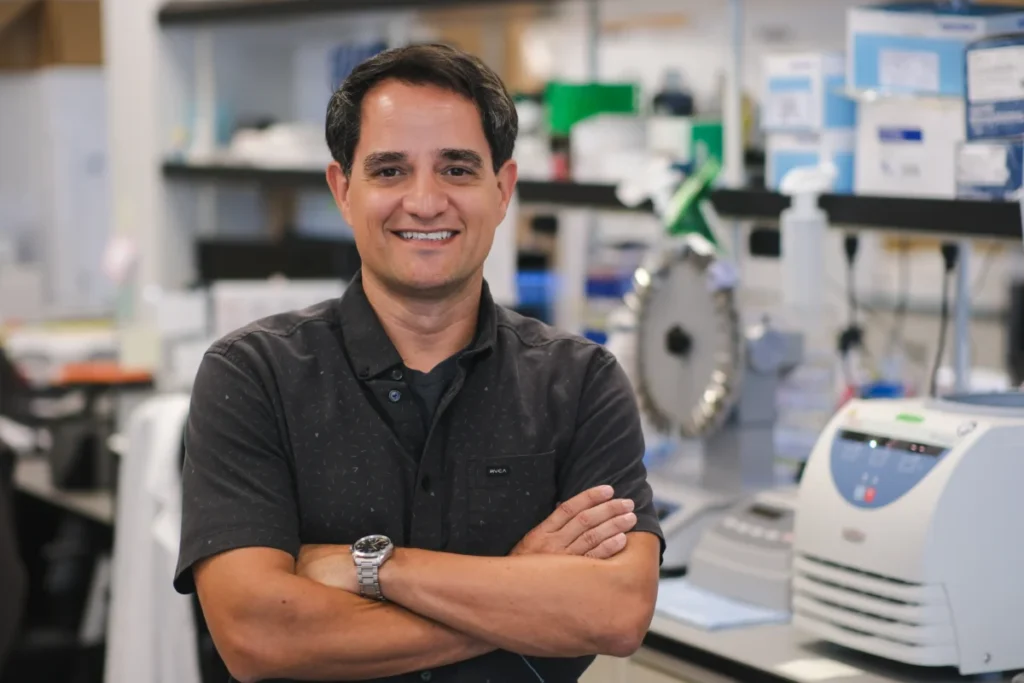
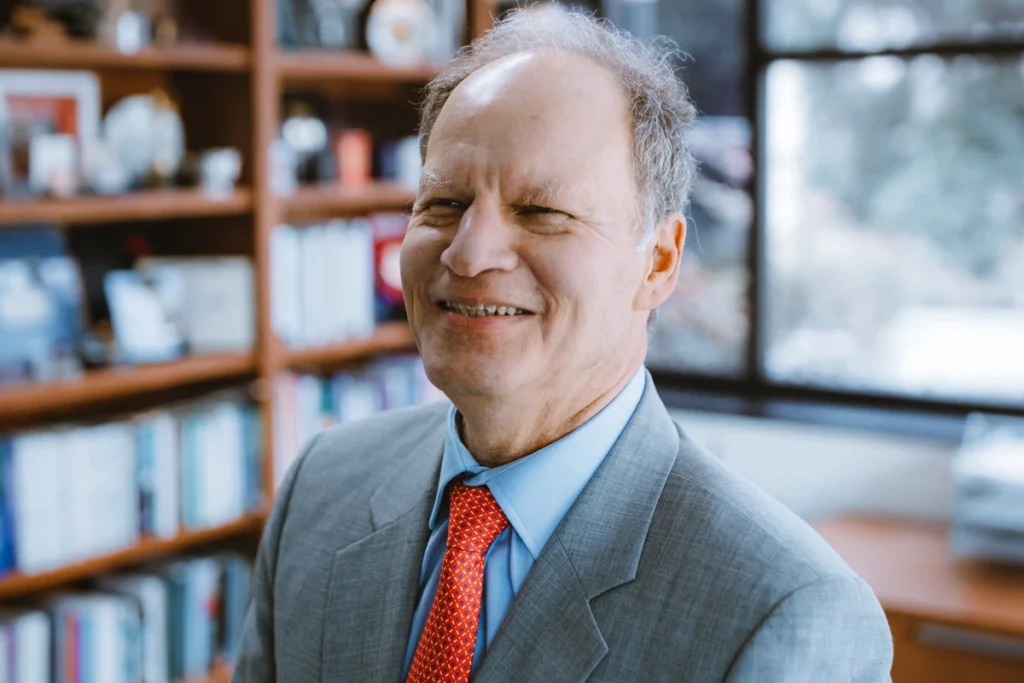
Hudson Freeze
Big Questions

Hudson Freeze, PhD

Professor and Director
William W. Ruch Distinguished Endowed Chair

My fascination with sugars began early, sparked not by science but Oreos.

As a child, I couldn’t get enough. Later came chocolate, and with it a growing sense that sugars held more than just sweetness. They held mysteries. I never imagined that this childhood obsession would shape my scientific career, or that sugars — beyond glucose — could one day save lives.
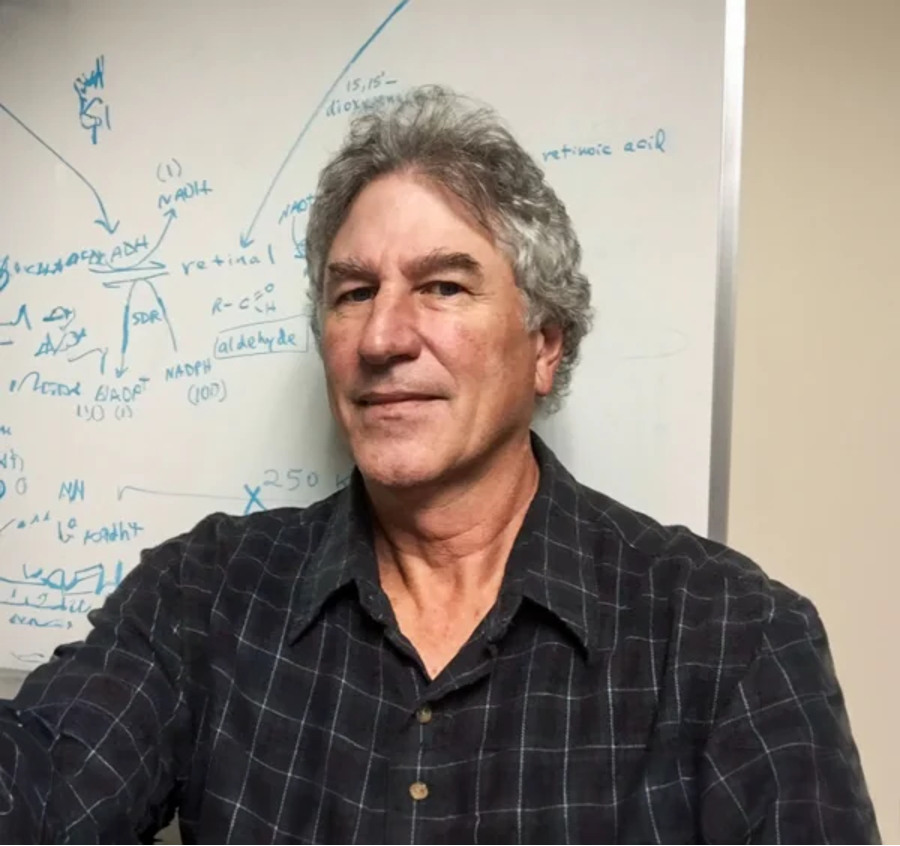

Gregg Duester
Big Questions

Gregg Duester, PhD

Professor
Center for Cardiovascular and Muscular Diseases


Science is facing a reproducibility crisis. In the biomedical sciences, the inability to validate and reproduce findings is slowing progress in understanding basic principles. Among the fields hindered by irreproducibility is retinoic acid research. Fortunately, new techniques provide a way forward.

Jerold Chun
Big Questions

Jerold Chun, MD, PhD

Professor
Center for Neurologic Diseases


The human brain remains one of life’s greatest mysteries and challenges, being responsible for all human activities that require its myriad functions. However, our understanding of the brain remains incomplete and this deficiency is perhaps most evident through hundreds of brain diseases that lack genuine disease-modifying therapies, let alone cures. My laboratory continues to contribute to our understanding of the brain, while also pursuing novel therapeutic avenues.

Big Questions

Lukas Chavez, PhD

Associate Professor
NCI-Designated Cancer Center

Childhood brain cancer is not one disease, but many, each with its own genetic fingerprint and its own way of evading treatment. Advances in genomics now allow us to read these fingerprints in extraordinary detail, uncovering the hidden instructions that make some tumors grow so aggressively. This knowledge has transformed diagnosis, giving doctors faster, more precise answers than ever before.

David Brenner
Big Questions

David Brenner, MD

President and CEO
Donald Bren Chief Executive Chair
Professor, Center for Metabolic and Liver Diseases

Metabolic dysfunction-associated steatohepatitis or MASH is a severe form of fatty liver disease, a condition that afflicts roughly one-third of adults worldwide: nearly 2 billion people. Untreated, MASH can lead to cirrhosis and liver cancer, whose rates are rising.

Scroll to Top