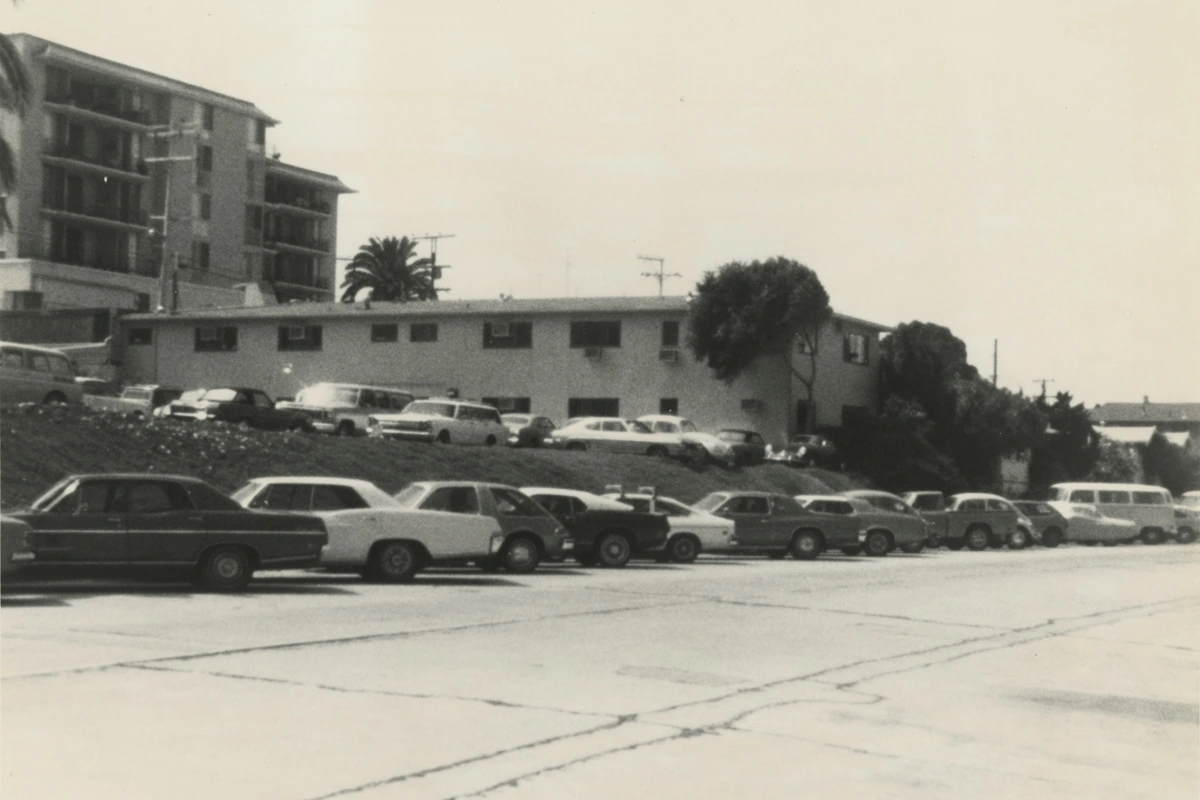
William Harold Fishman, MD, PhD, chaired an International Scientific Symposium in 1975 in San Diego. “He was so impressed with the environment and the burgeoning scientific community on the Torrey Pines Mesa,” according to Lillian Fishman. This experience planted the seed for founding what would become Sanford Burnham Prebys Medical Discovery Institute.
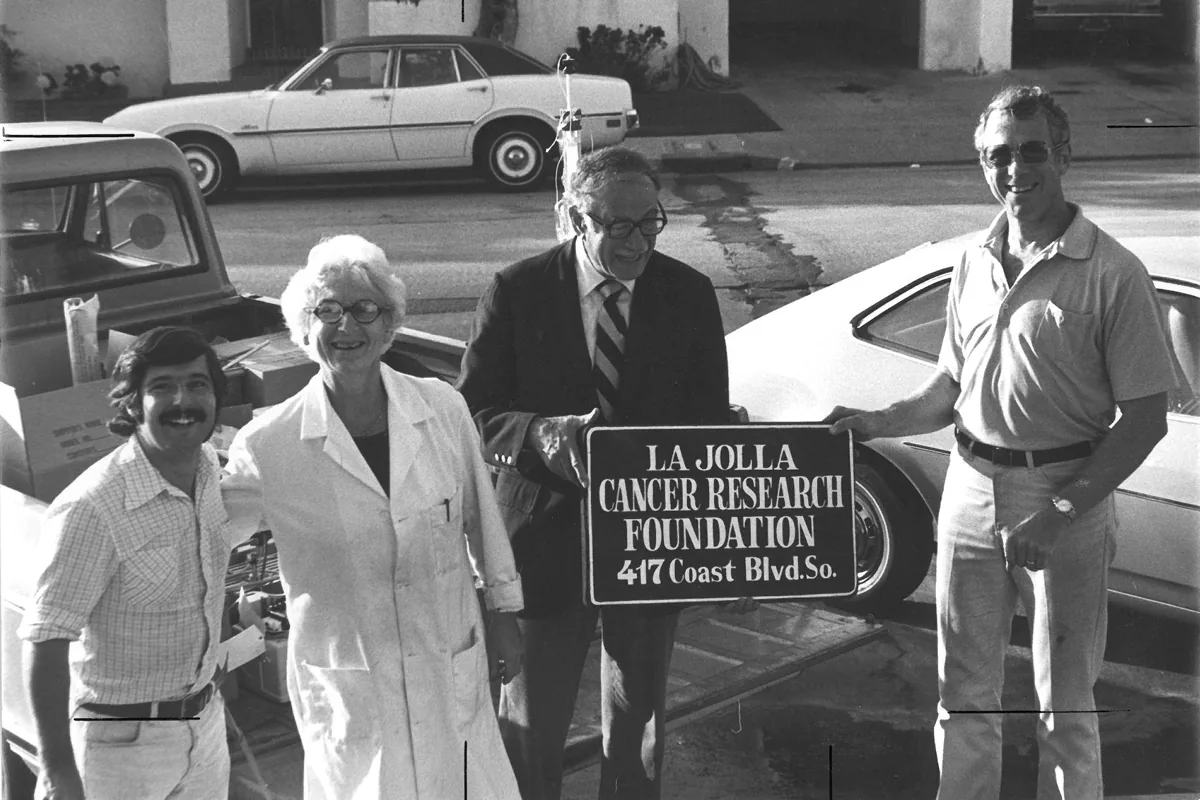
In July 1976, the La Jolla Cancer Research Foundation was formally incorporated. On December 1, 1976, the La Jolla Cancer Research Foundation opens in 500 square feet of converted motel space leased from the Scripps Research Institute.
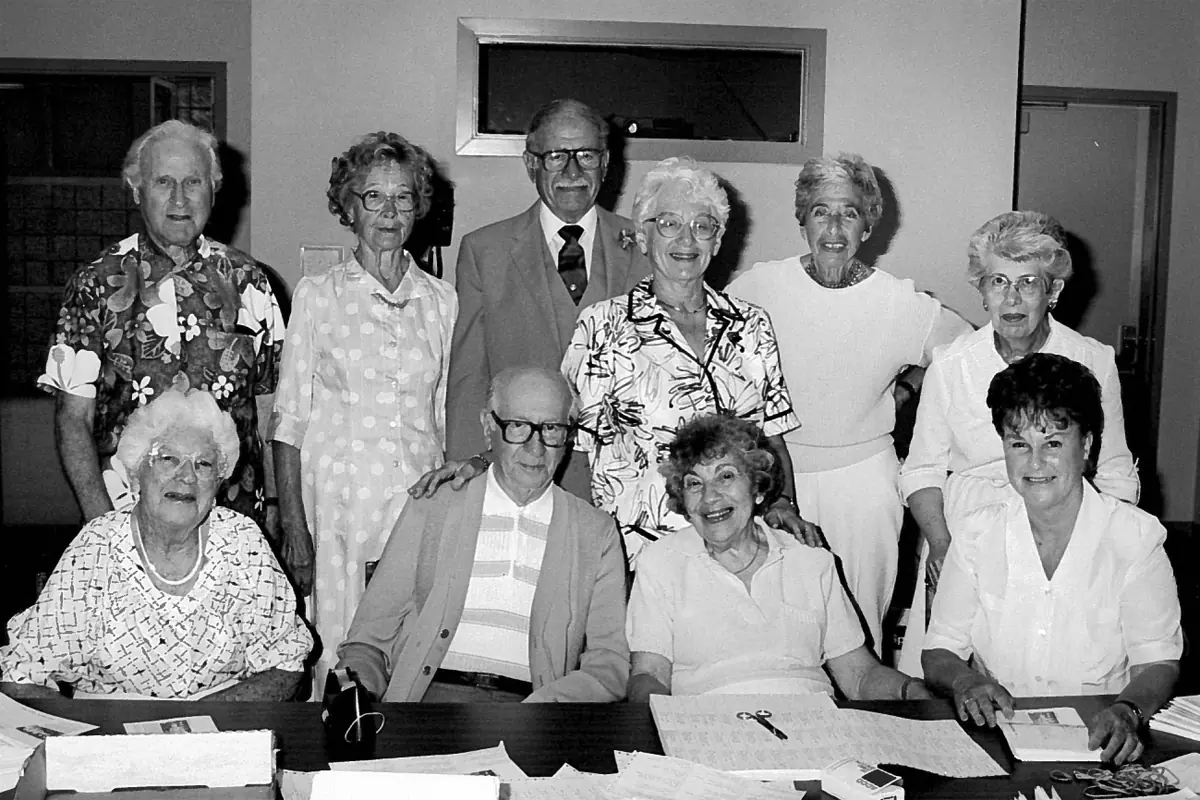
Lillian Fishman and Freddie Deming founded the Group of Friends of the La Jolla Cancer Research Foundation. This group of community volunteers led fundraising efforts to help the foundation purchase critical research equipment and support educational programs.
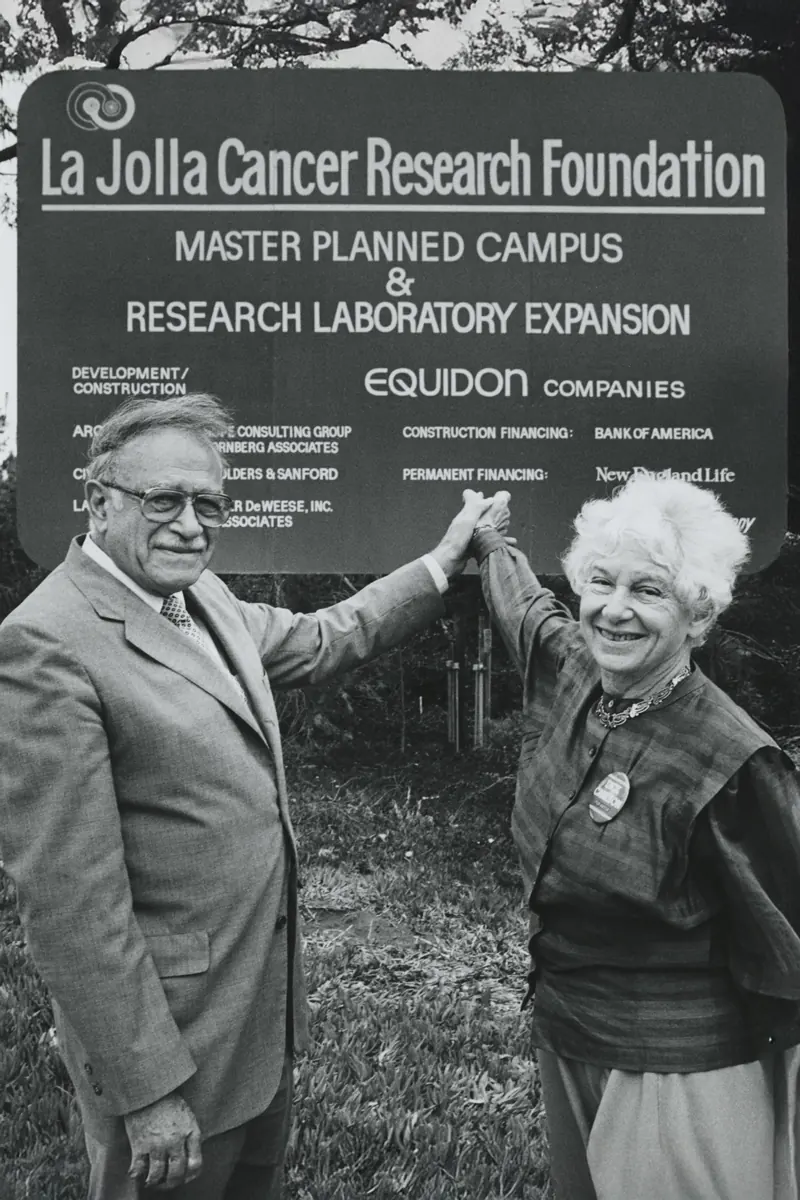
The National Cancer Institute (NCI) awarded the Foundation with a two-year grant that allowed it to move and expand facilities onto the Torrey Pines Mesa.
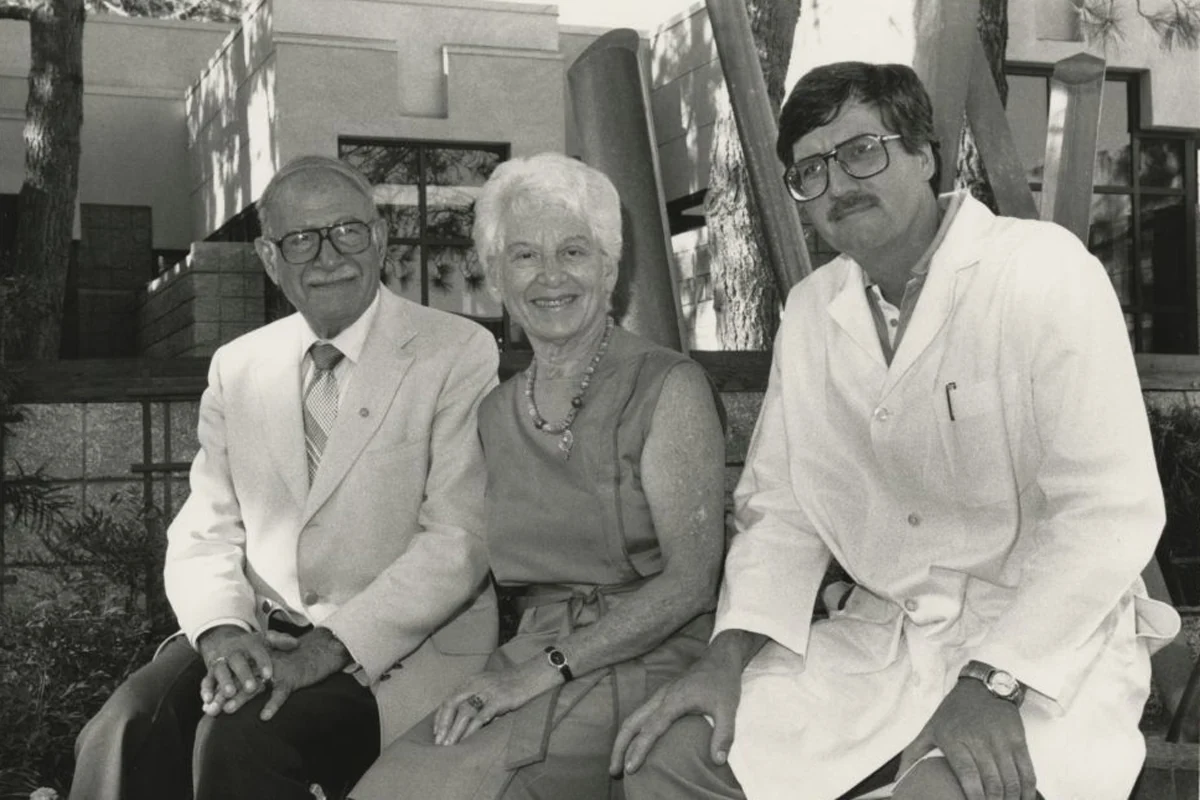
The Fishmans recruited Erkki Ruoslahti, MD, PhD, a renowned cancer researcher, to join the Foundation as scientific director.
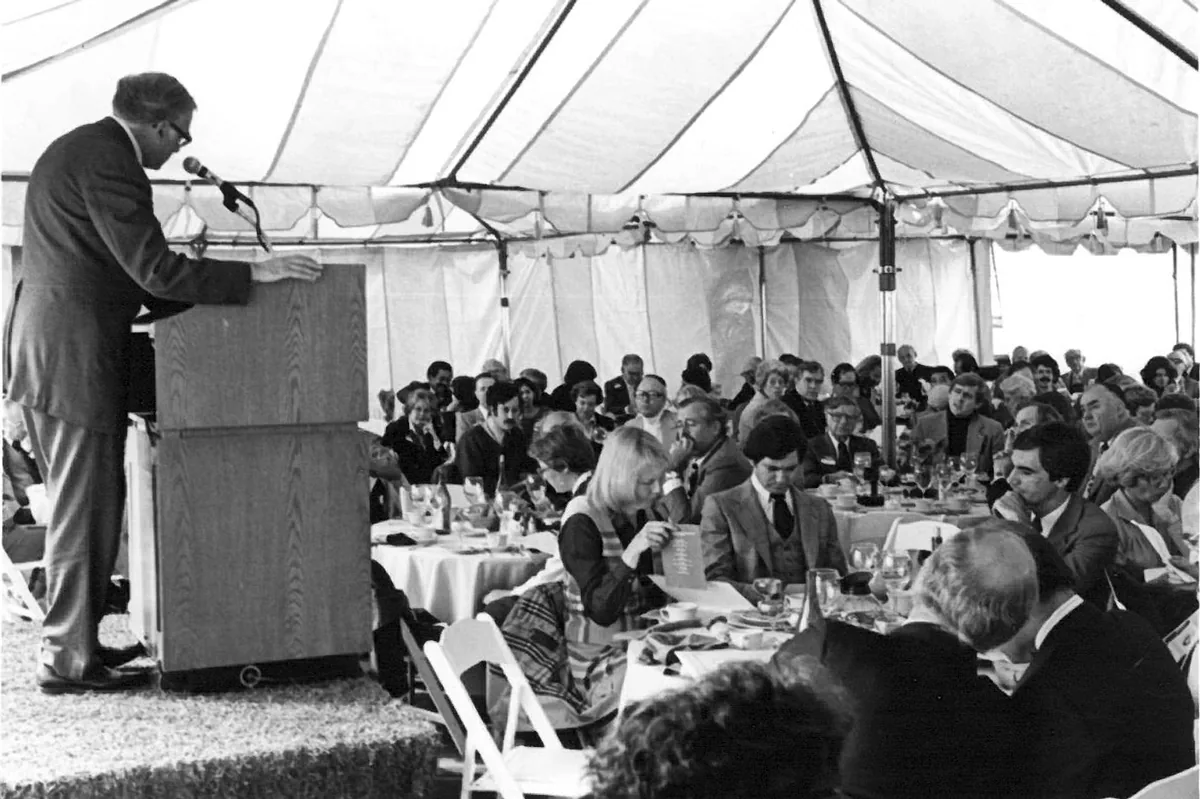
The NCI designated the La Jolla Cancer Research Foundation as a Basic Laboratory Cancer Center in 1981. At the time, there were only two other institutions with such a designation: the Salk and the California Institute of Technology. Today, there are still only seven NCI-designated basic laboratory cancer centers in the nation.
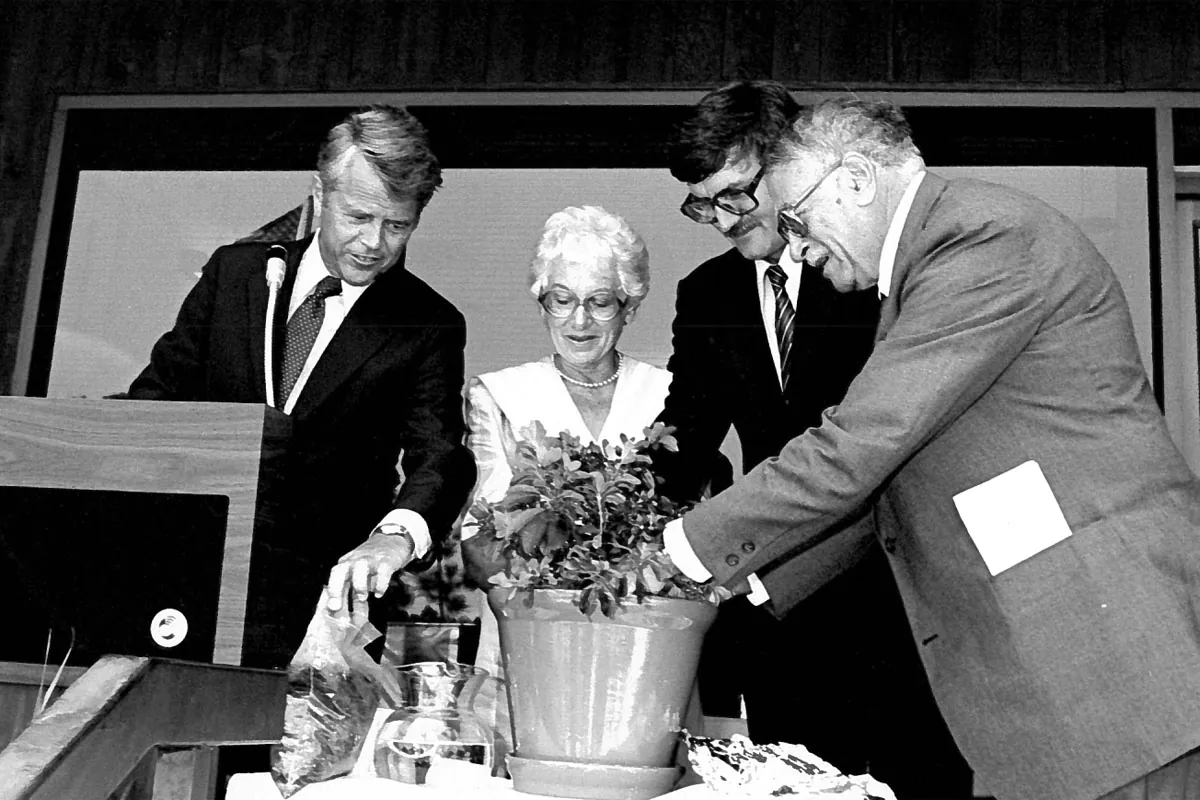
Construction was completed on Buildings Three and Four, adding 32,000 square feet of space. Building Three houses the library. Building Four holds administrative offices, laboratories and the Fishman Auditorium, the historical site of most seminars and public events.
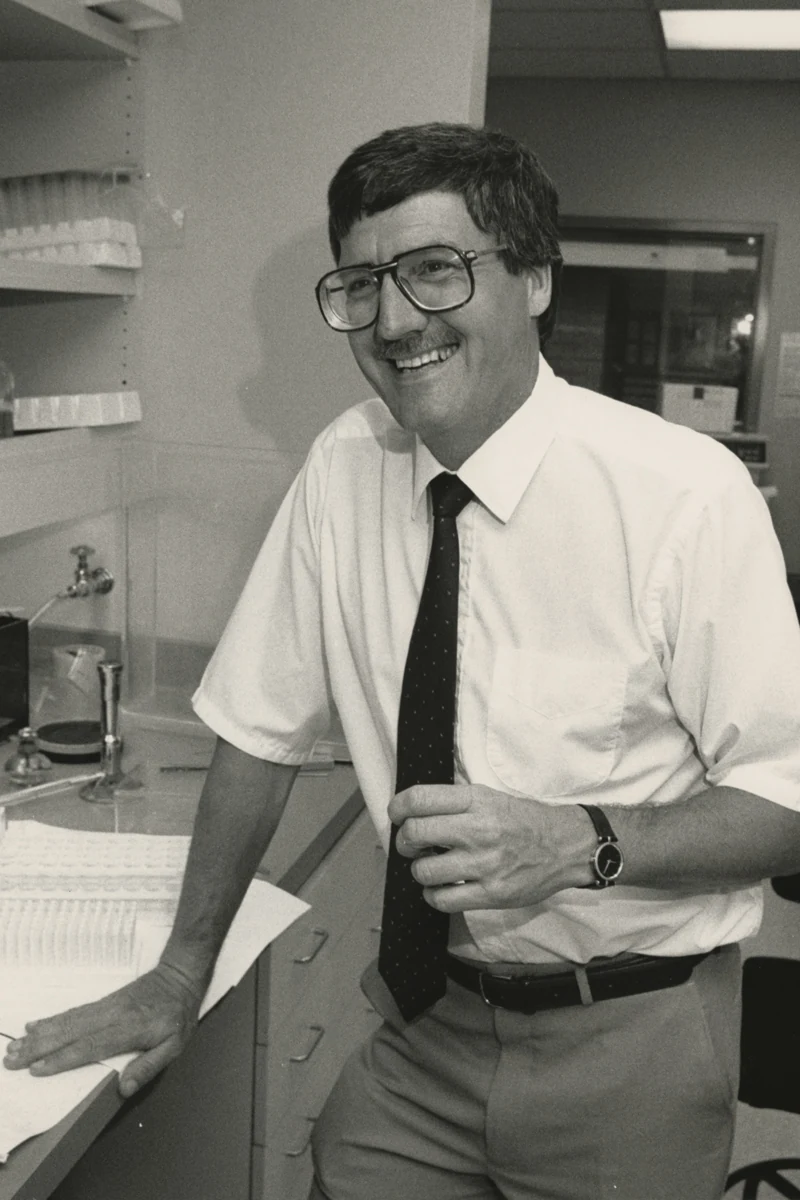
Ruoslahti succeeded Bill Fishman and president and CEO. Fishman was appointed president emeritus and named a “Trustee for Life.”
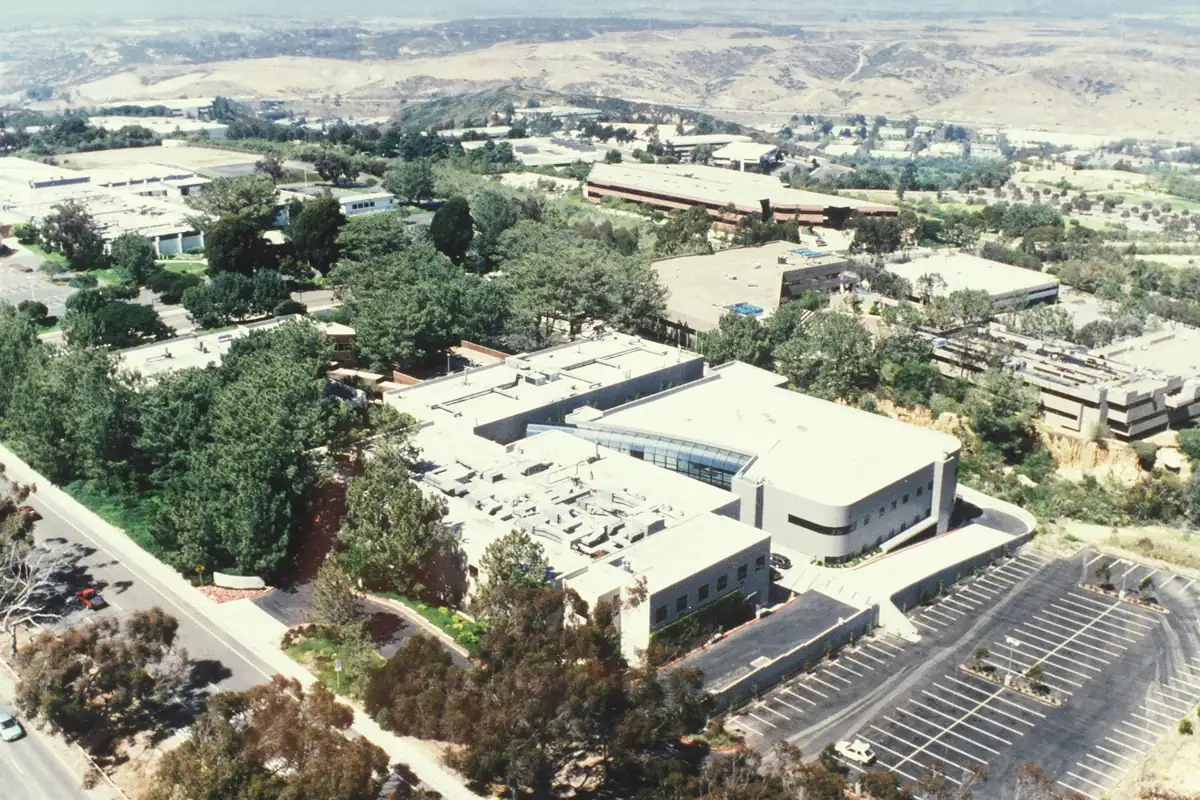
The California Foundation for Biochemical Research donated the laboratory buildings to the Foundation. This gift was recognized by the establishment of the William R. Drell Chair in Molecular Biology.
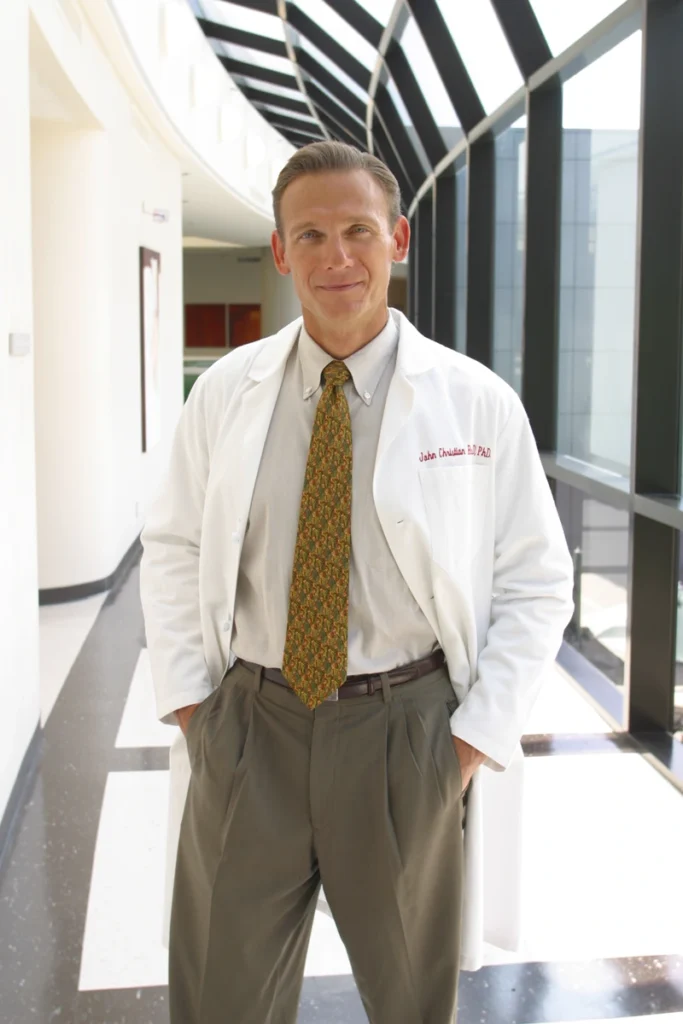
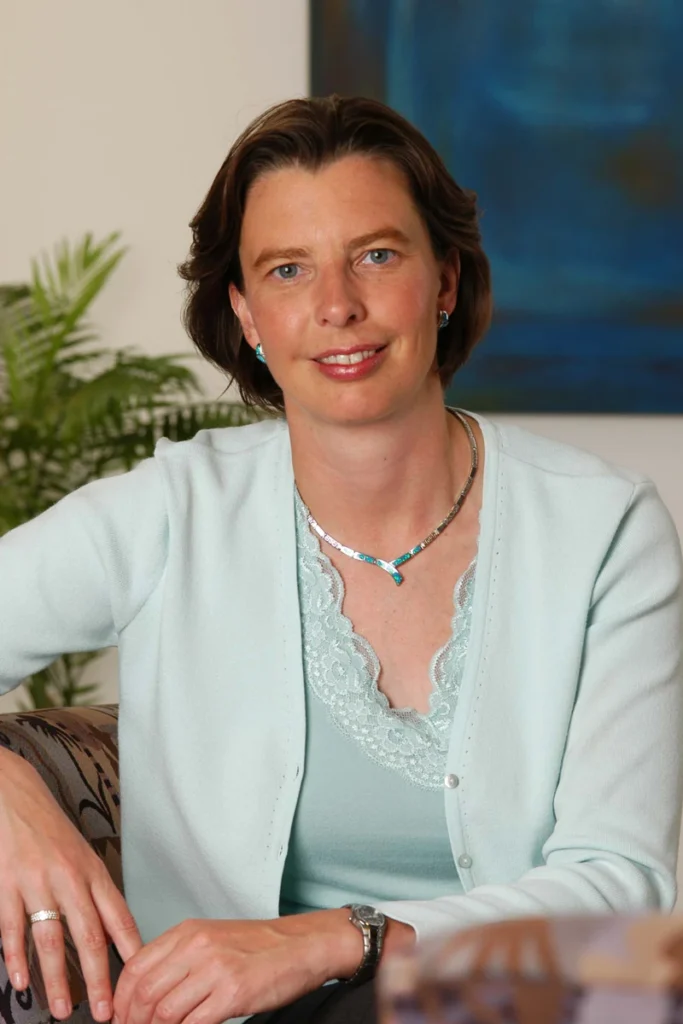
Ruoslahti recruited John Reed, MD, PhD, as director of the Program on Oncogenes and Tumor Suppressor Genes. In 1995, Reed was promoted to scientific director. Also in 1992, Ruoslahti recruited Kristiina Vuori, MD, PhD, as a postdoctoral fellow in his lab.
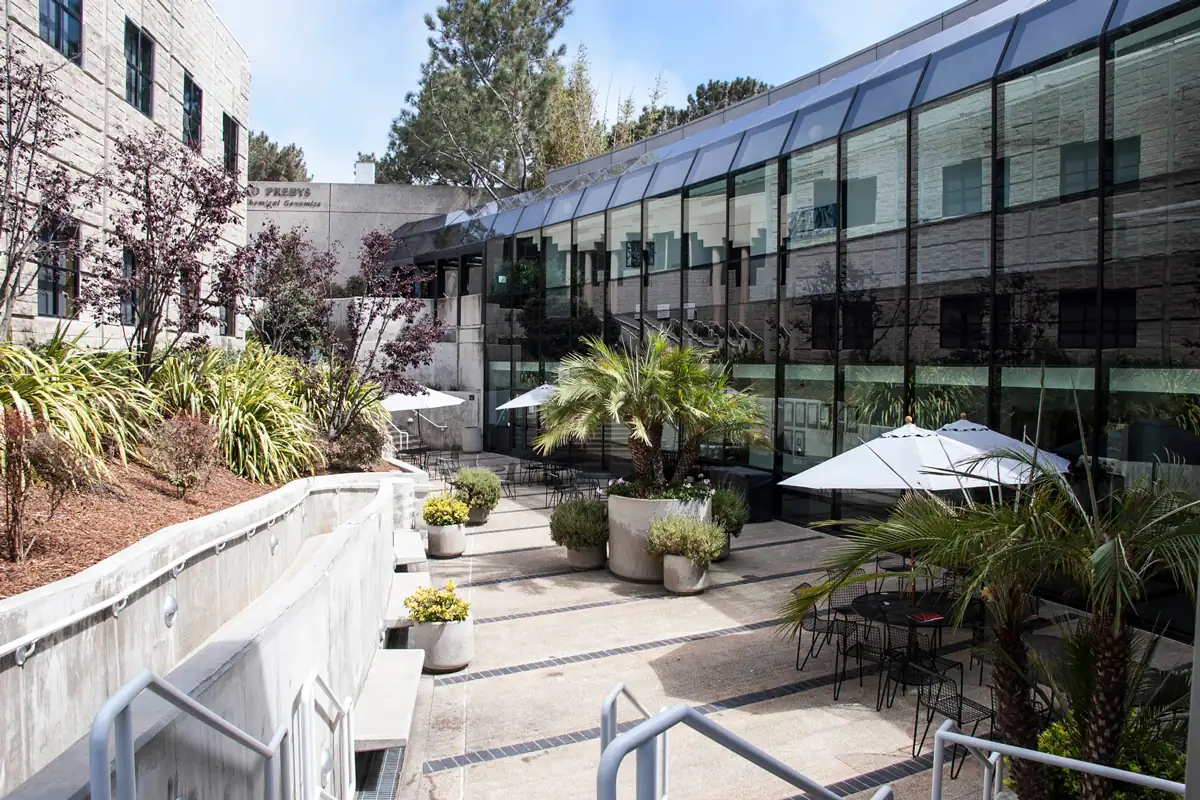
The opening of Building Five nearly doubled the Institute’s laboratory space and provided a commons area with cafeteria and meeting space that improved the institutional culture.
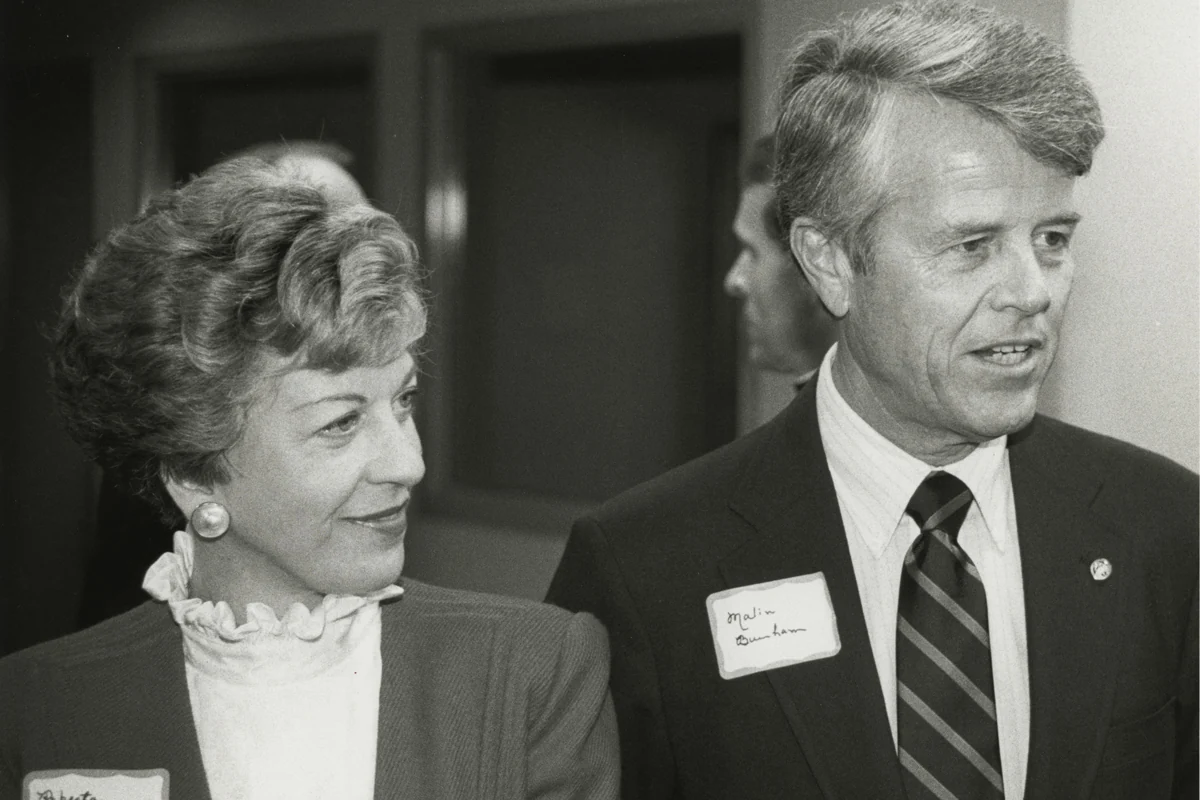
In 1996, the Foundation was renamed The Burnham Institute after San Diego businessman Malin Burnham, who gave a $10 million gift with an anonymous donor.
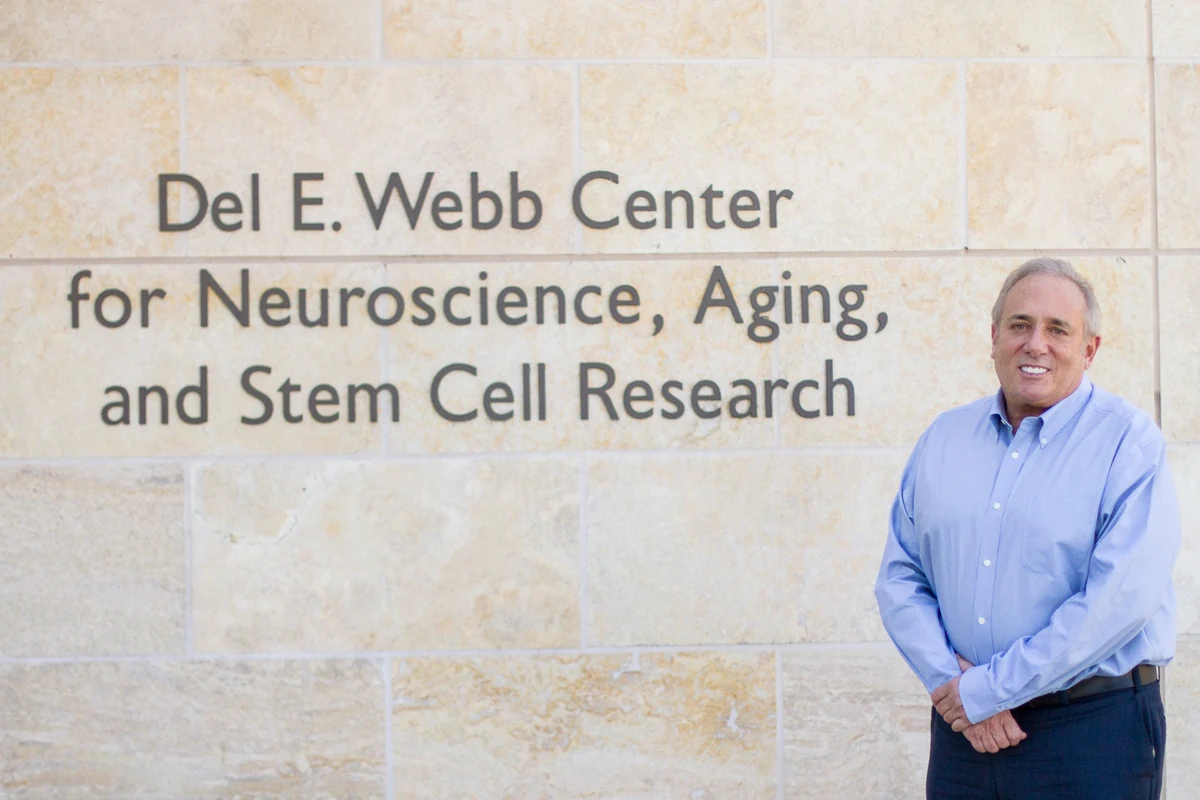
A major gift from the Del E. Webb Foundation results in the establishment of the Del E. Webb Center for Neuroscience and Aging. The center’s goal was to exploit the scientific synergy between the Institute’s NCI-Designated Cancer Center and the ways in which the same mechanisms play a role in cancer and neurodegenerative diseases.
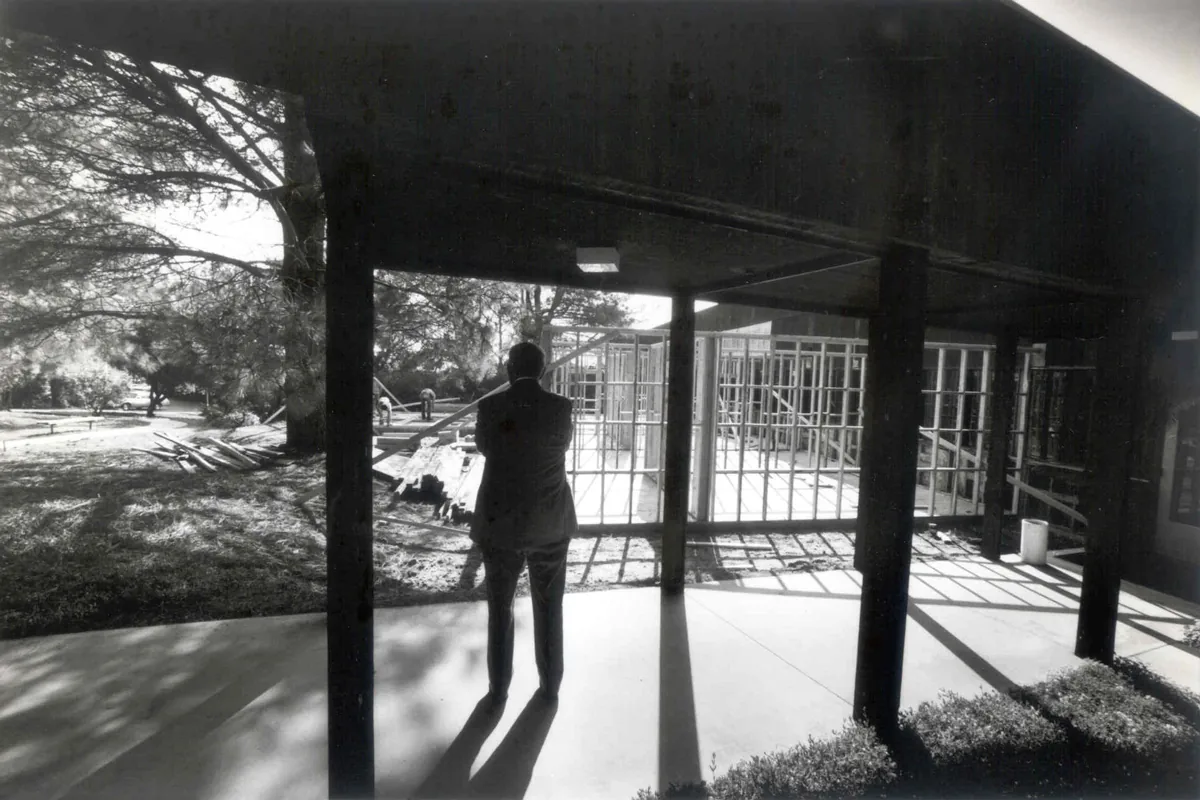
Construction was completed on Buildings Six and Seven, accommodating expanding research programs and providing a state-of-the-art vivarium.
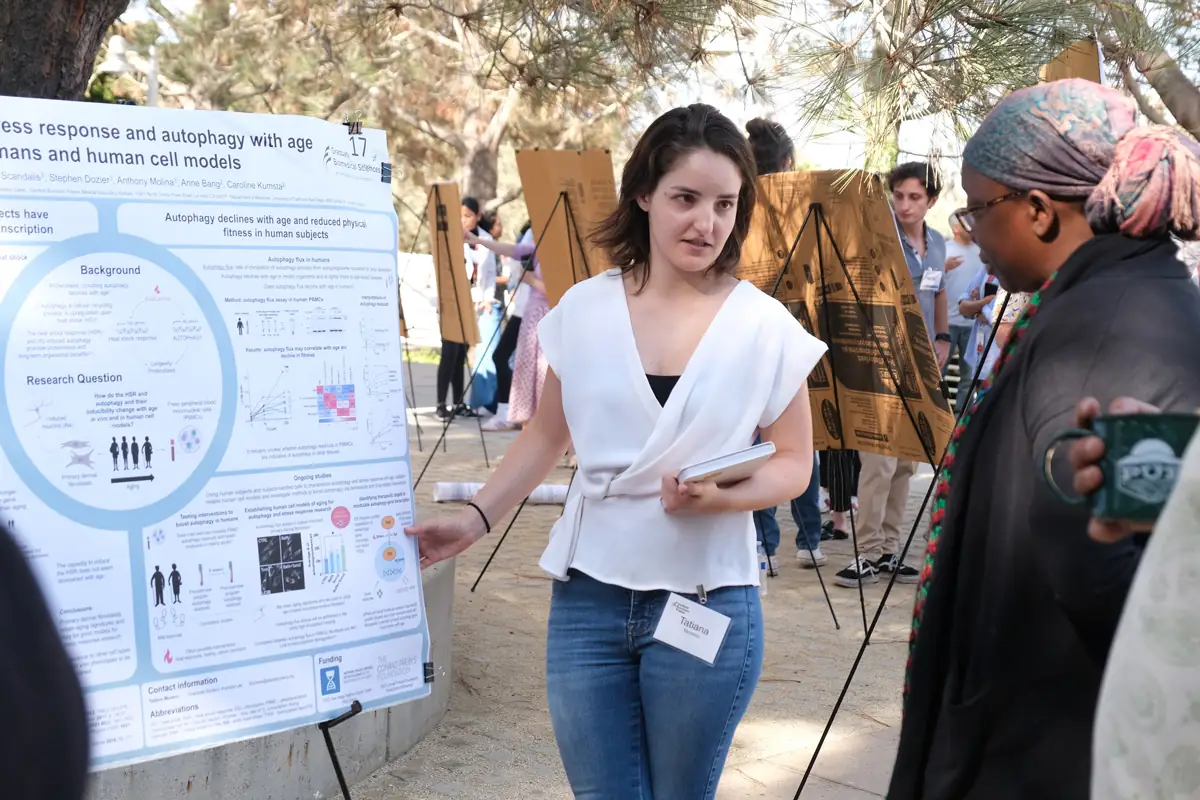
Siva Kolluri, PhD, a postdoctoral fellow in Xiao-kun Zhang’s lab, started an association for postdocs called Burnham Science Network. Today, the renamed Sanford Burnham Prebys Science Network continues to support trainees at the Institute.
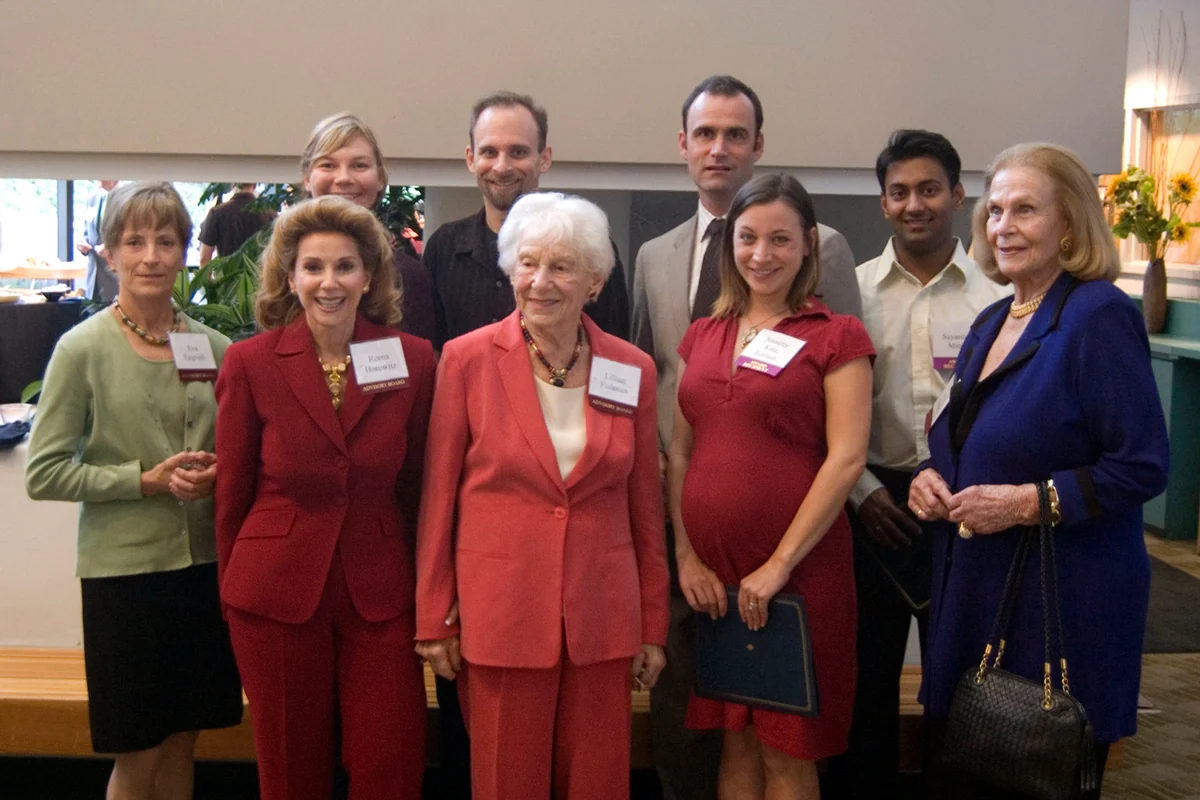
The Fishman Fund was created by Reena Horowitz and Mary Bradley to enhance the career development of postdoctoral fellows at the Institute. The Fund has been critical in helping to recognize and train the next generation of scientists.
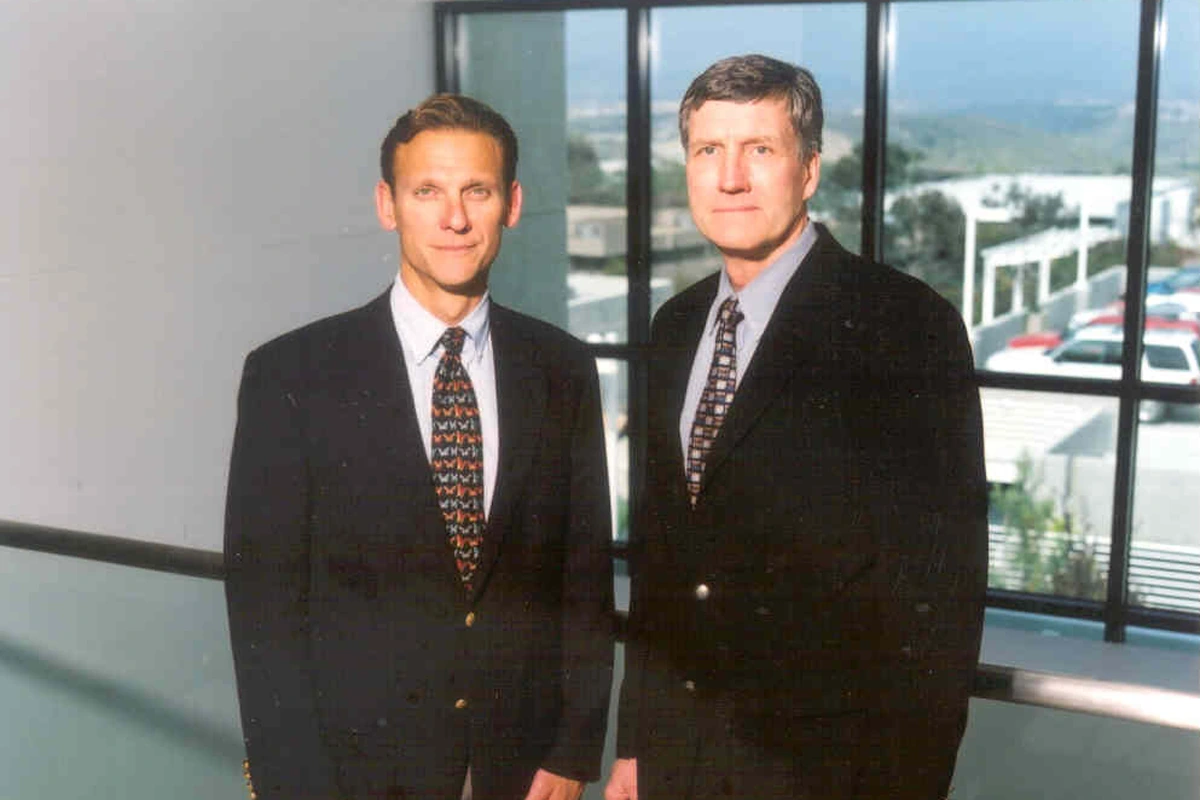
After a year of succession planning, Reed assumes leadership of the Institute as president and CEO. Ruoslahti continues his research as a distinguished professor until his retirement in 2020.
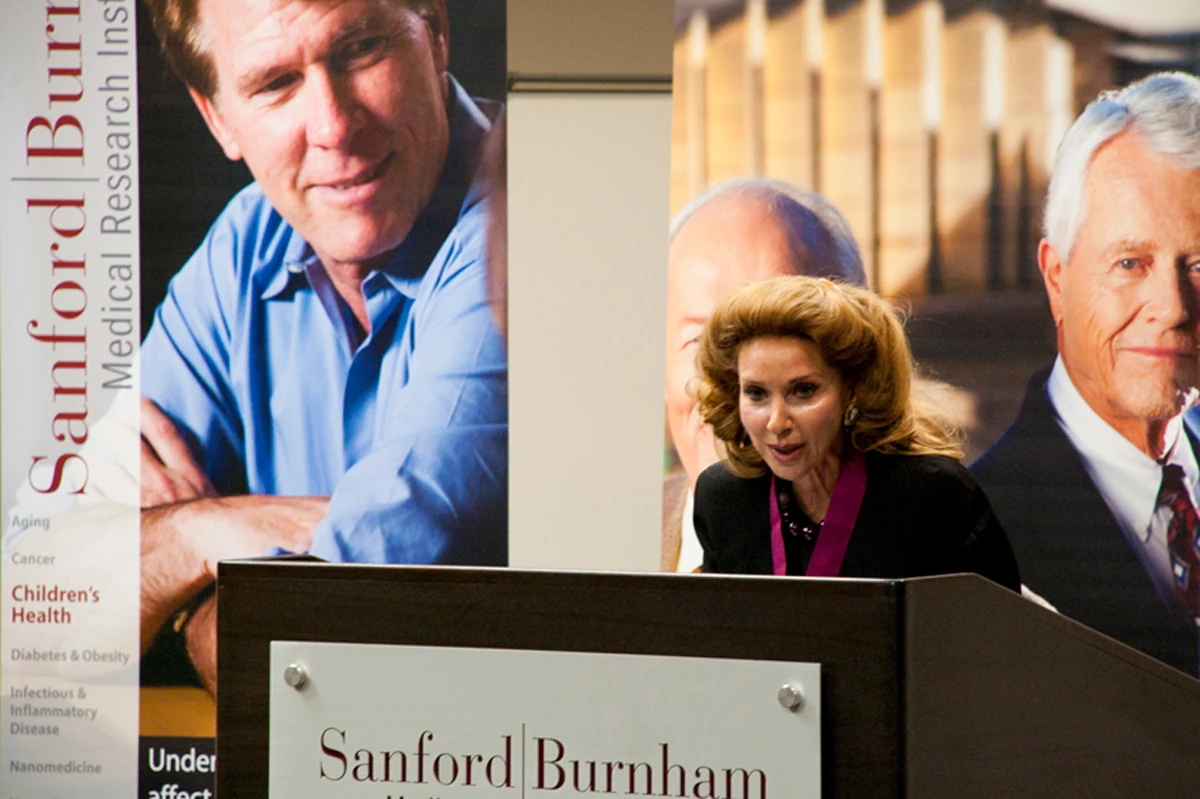
The Group of 12 was founded by Reena Horowitz and Lillian Fishman and 10 of their friends for the purpose of educating the community about advances in science and health.
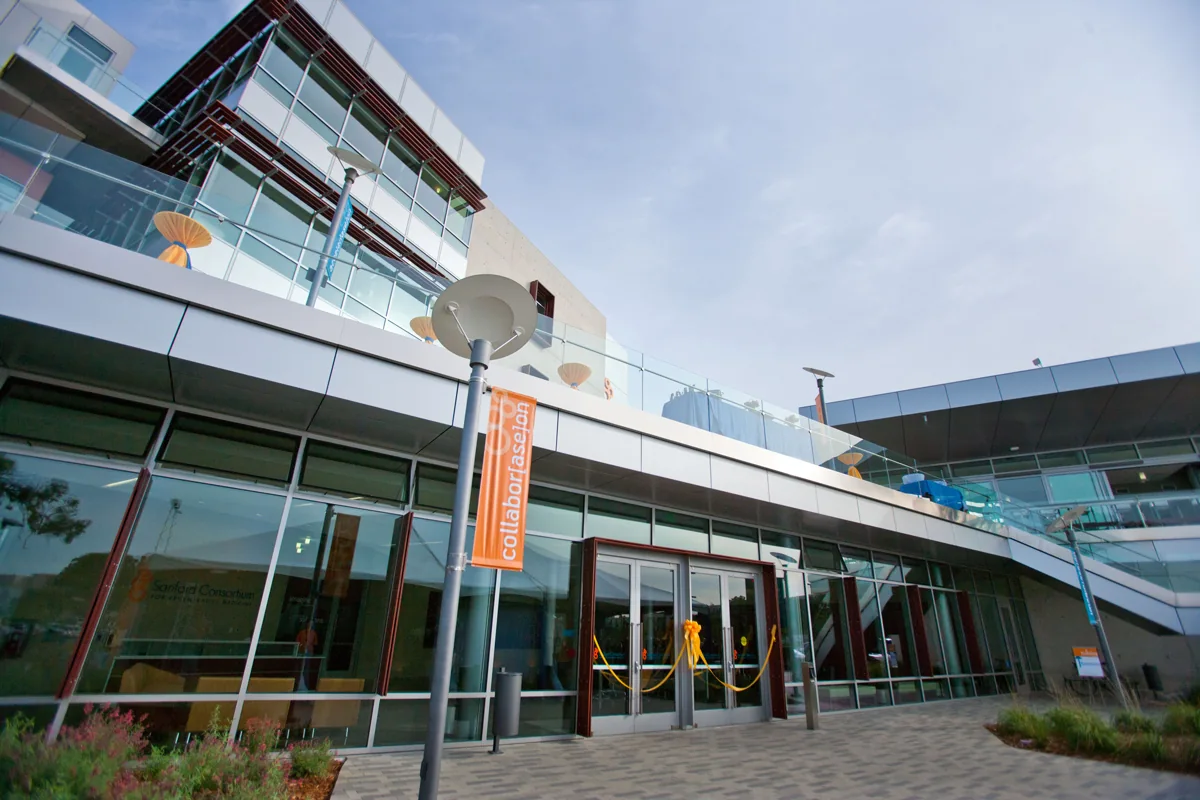
Following the passing of the California Stem Cell Research and Cures Act in November 2004, Reed led an effort to create a shared co-laboratory in San Diego focused on stem cell research and regenerative medicine. In 2006, the Institute would be joined by UCSD, Salk and Scripps in establishing the San Diego Consortium for Regenerative Medicine. In 2008, the consortium was renamed the Sanford Consortium for Regenerative Medicine in recognition of a $30 million donation from philanthropist T. Denny Sanford. The La Jolla Institute for Immunology joined the consortium in 2011.
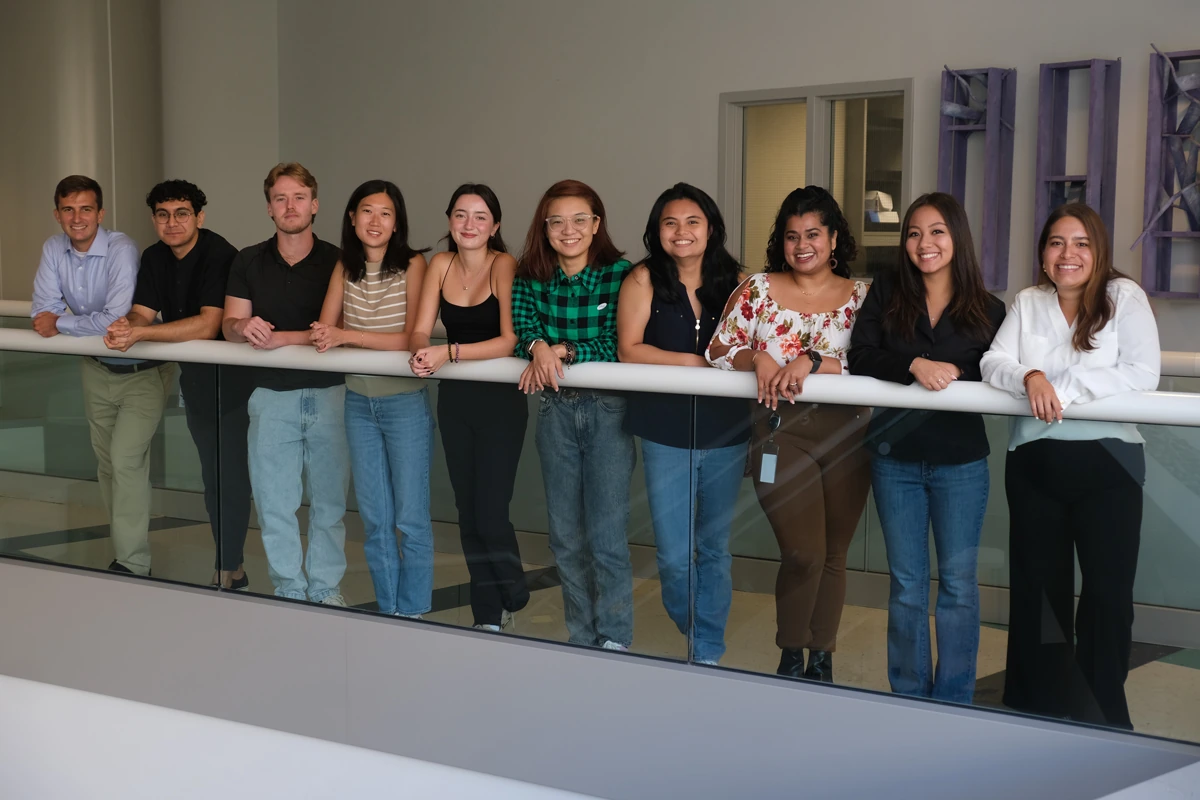
The Graduate School of Biomedical Sciences was created in 2006 to educate and train new, diverse cadres of scientists.
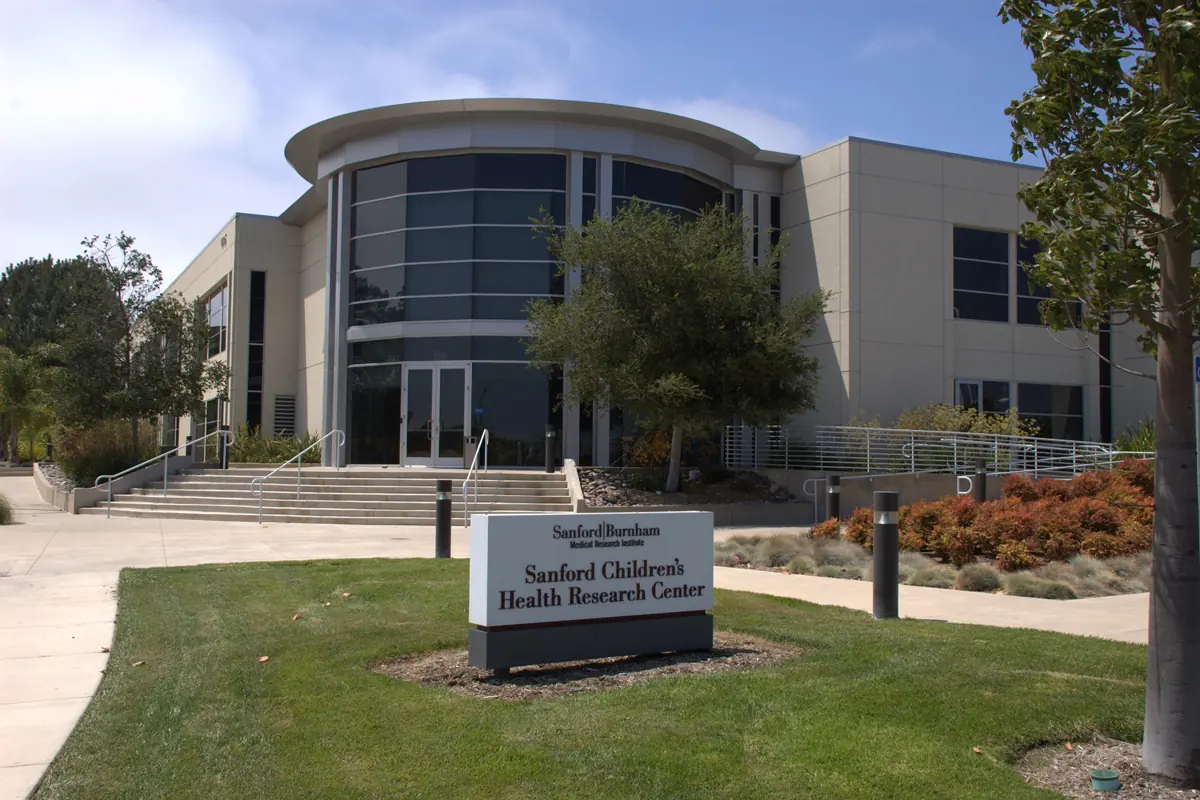
In 2007, philanthropist T. Denny Sanford gave the Institute $20 million through Sanford Health, the largest rural health system in the U.S. and a longtime beneficiary of Sanford. The gift helped the Burnham Institute create the Sanford Children’s Health Research Center.
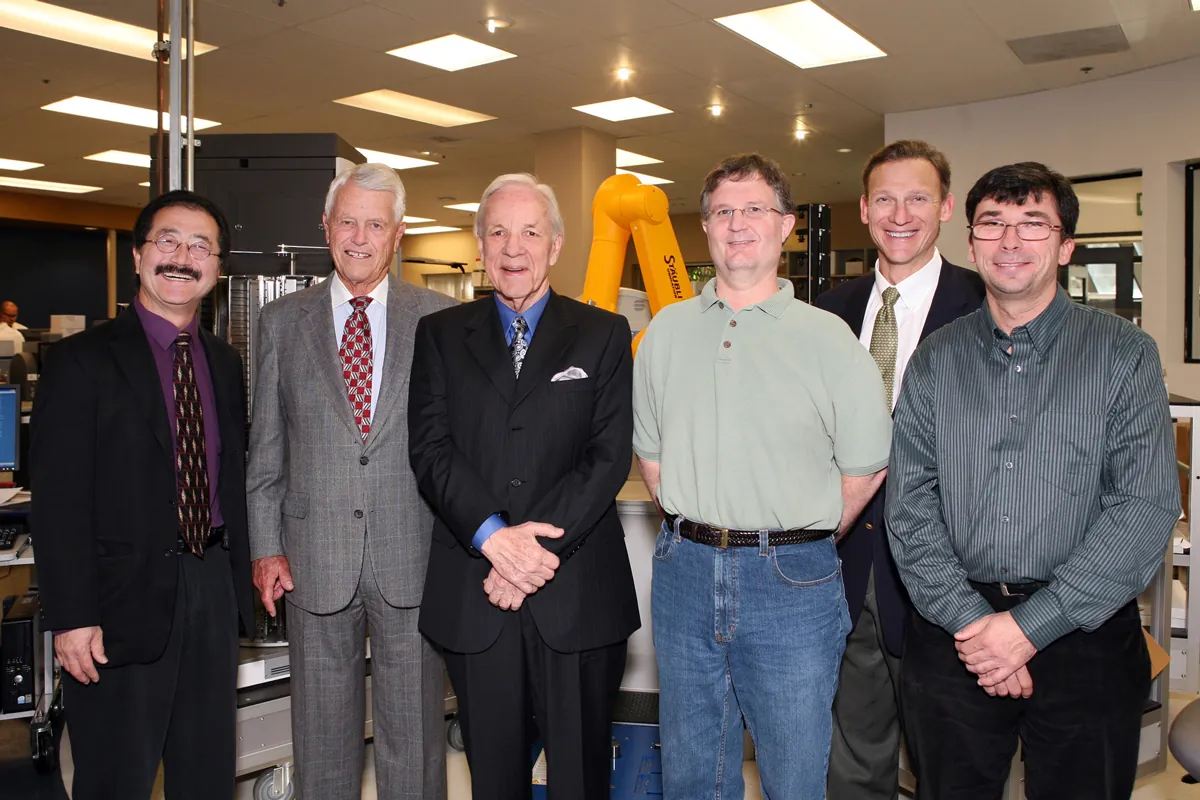
In 2009, local philanthropist Conrad Prebys (1933-2016) made a $10 million investment to create a world-class drug discovery center. The Conrad Prebys Center for Chemical Genomics today is the nation’s leading nonprofit drug discovery center, employing innovative technologies to identify and develop new molecules and compounds that may form the basis for next-generation drugs in coordination with academic, public and industry partners.
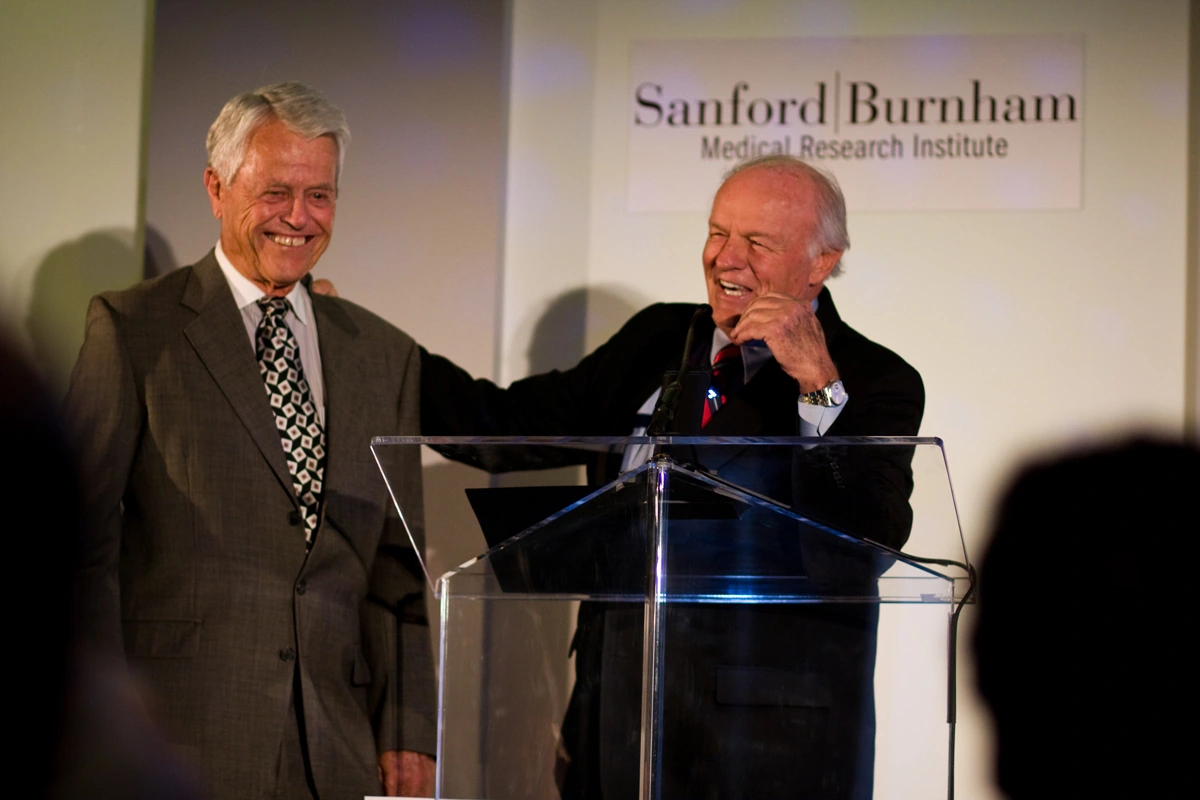
Sanford donated $50 million, and the Institute became the Sanford-Burnham Medical Research Institute.
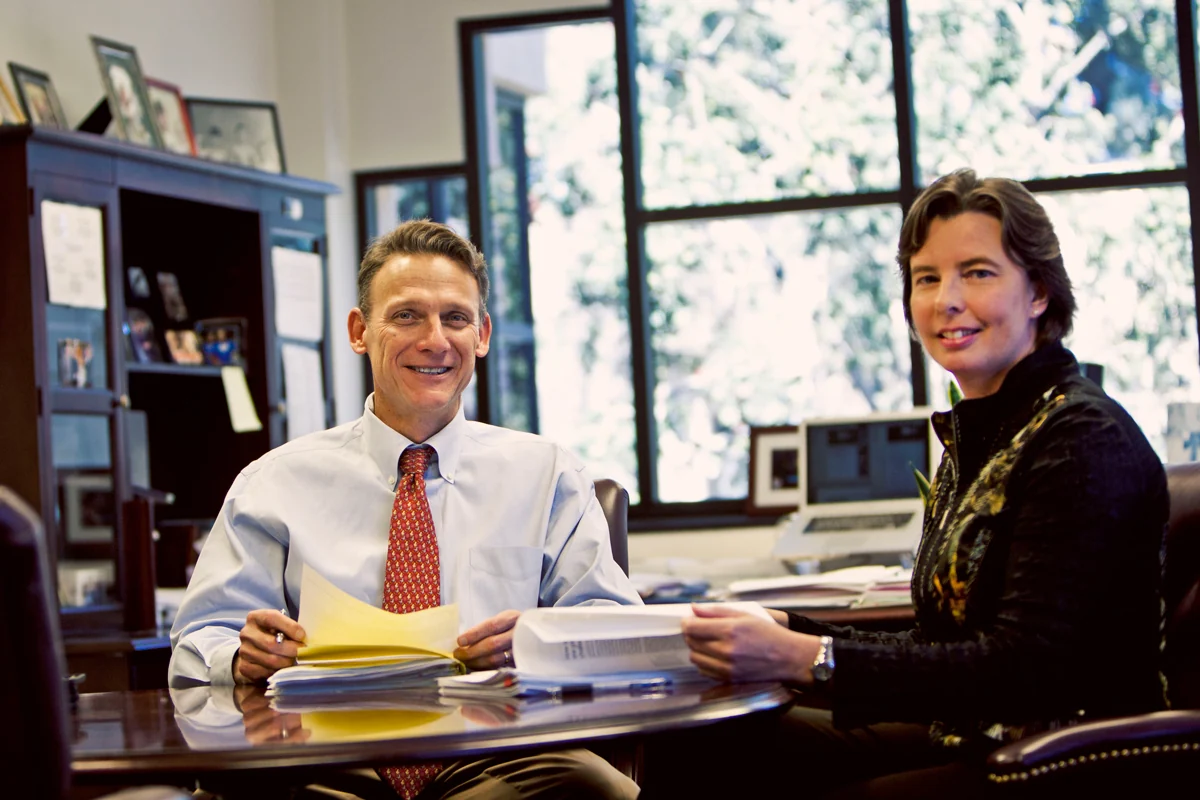
Vuori was named president of the Institute. Reed continued his leadership role as CEO with a strategic focus on expanding drug discovery efforts.
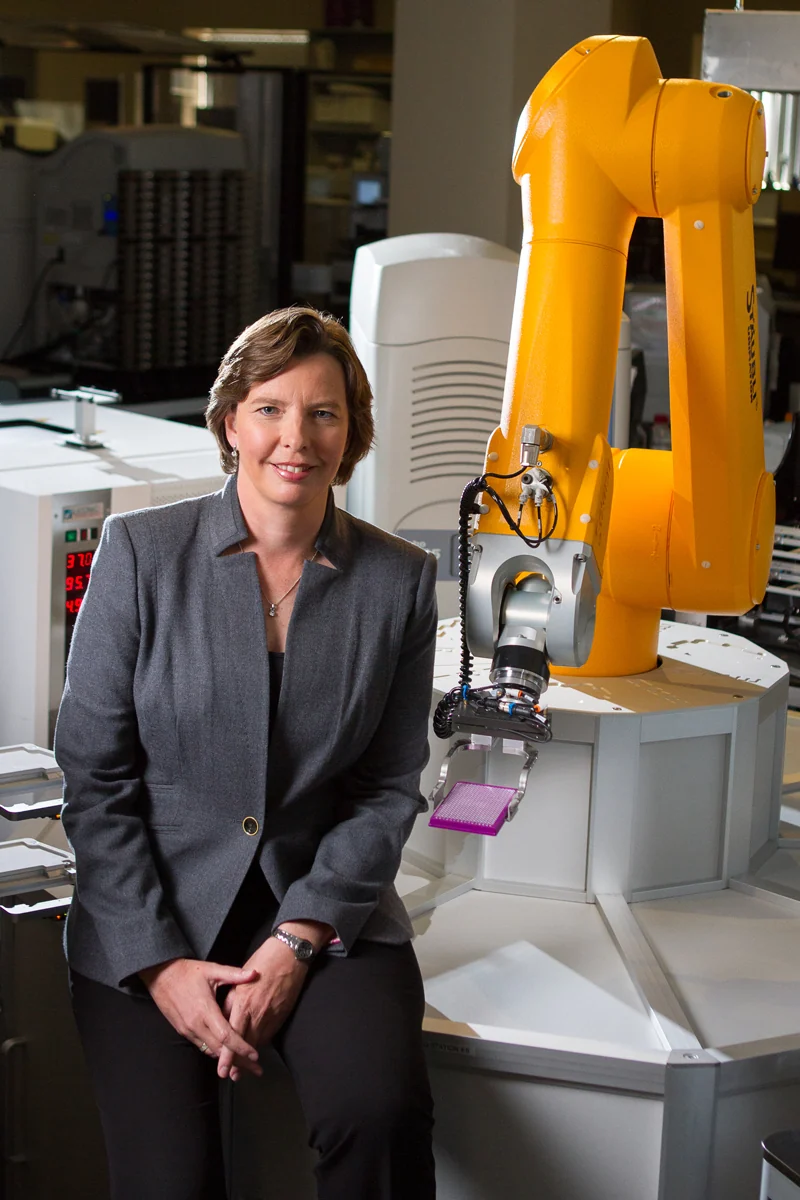
Vuori took on the role of interim CEO when Reed was recruited to the pharmaceutical industry. Vuori secured board approval of a 10-year strategic vision to combine expertise in human biology with state-of-the-art drug discovery to fuel bench-to-bedside research.
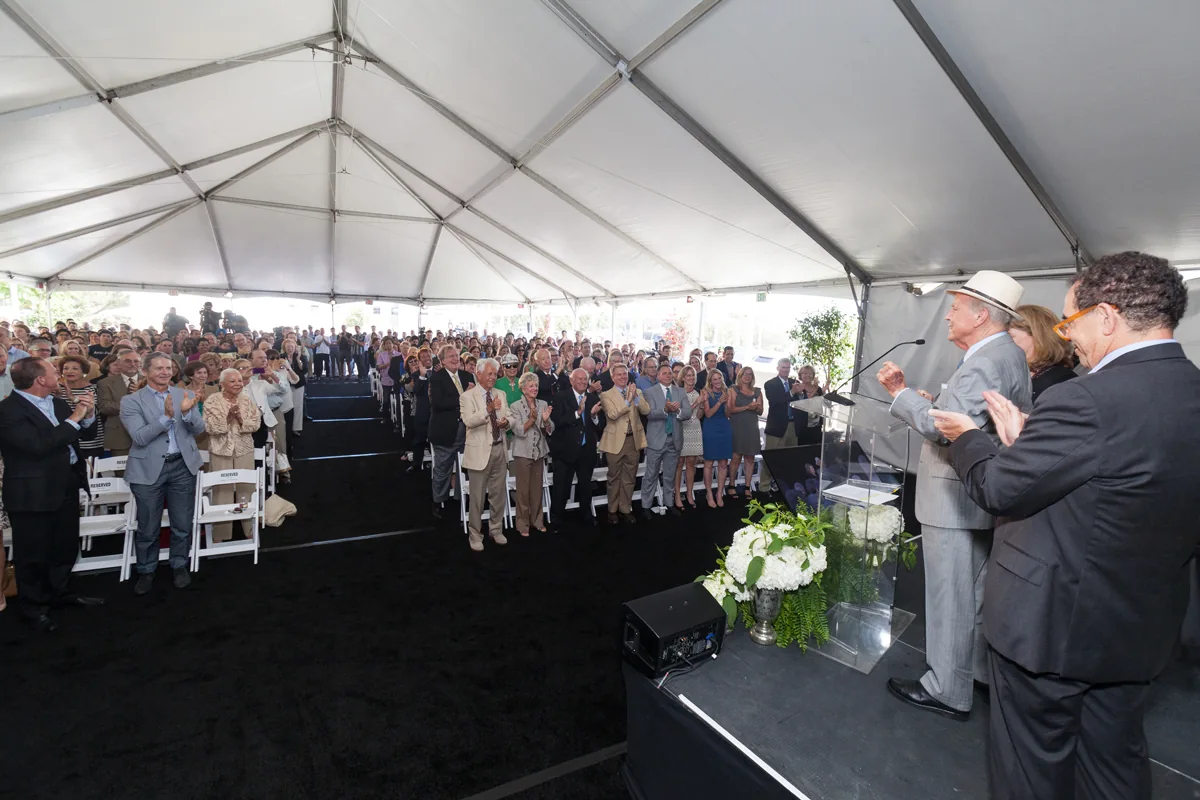
In 2015, the name changed to the Sanford Burnham Prebys Medical Discovery Institute, honoring a $100 million gift from Prebys.
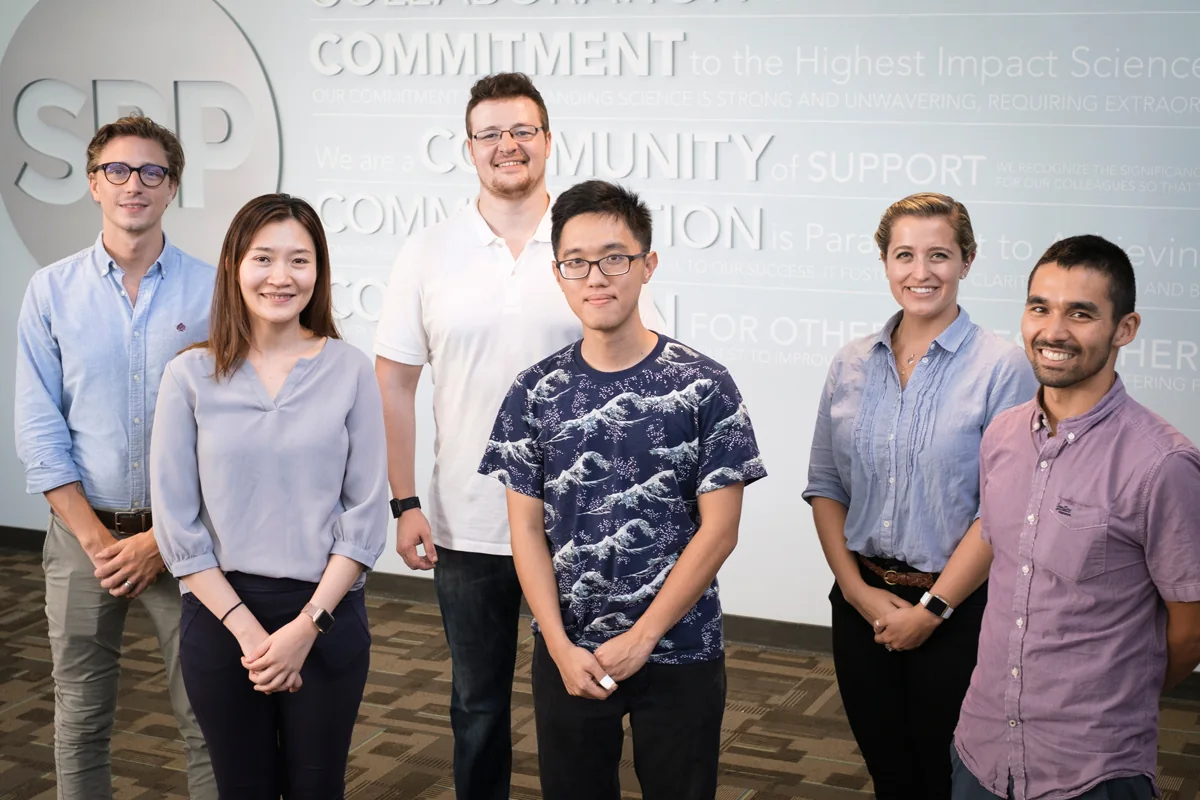
The Graduate School of Biomedical Sciences was accredited by the WASC Senior College & University Commission.
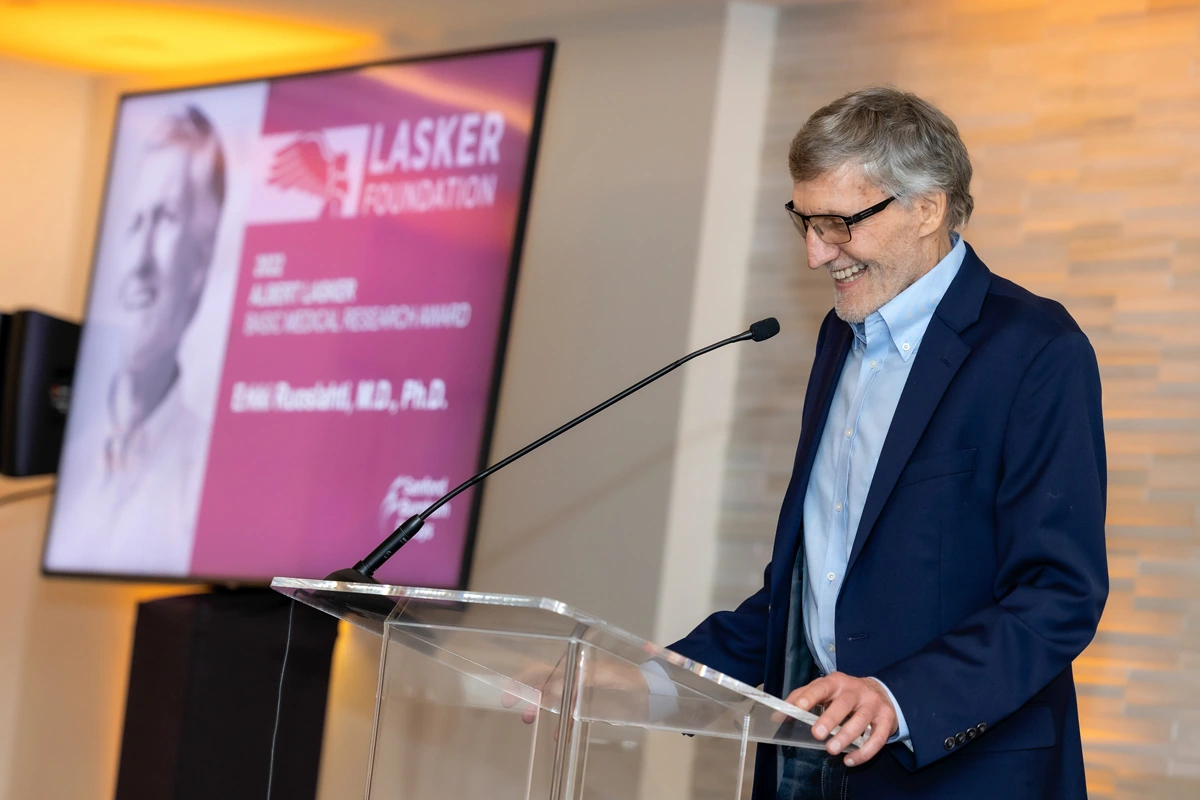
Ruoslahti garners the 2022 Lasker Basic Medical Research Award for discoveries concerning the integrins—key mediators of cell-matrix and cell-cell adhesion in physiology and disease. The Lasker Awards, sometimes called “America’s Nobels,” were created in 1945 by Albert and Mary Lasker to shine a spotlight on fundamental biological discoveries and clinical advances that improve human health, and to draw attention to the importance of public support of science.
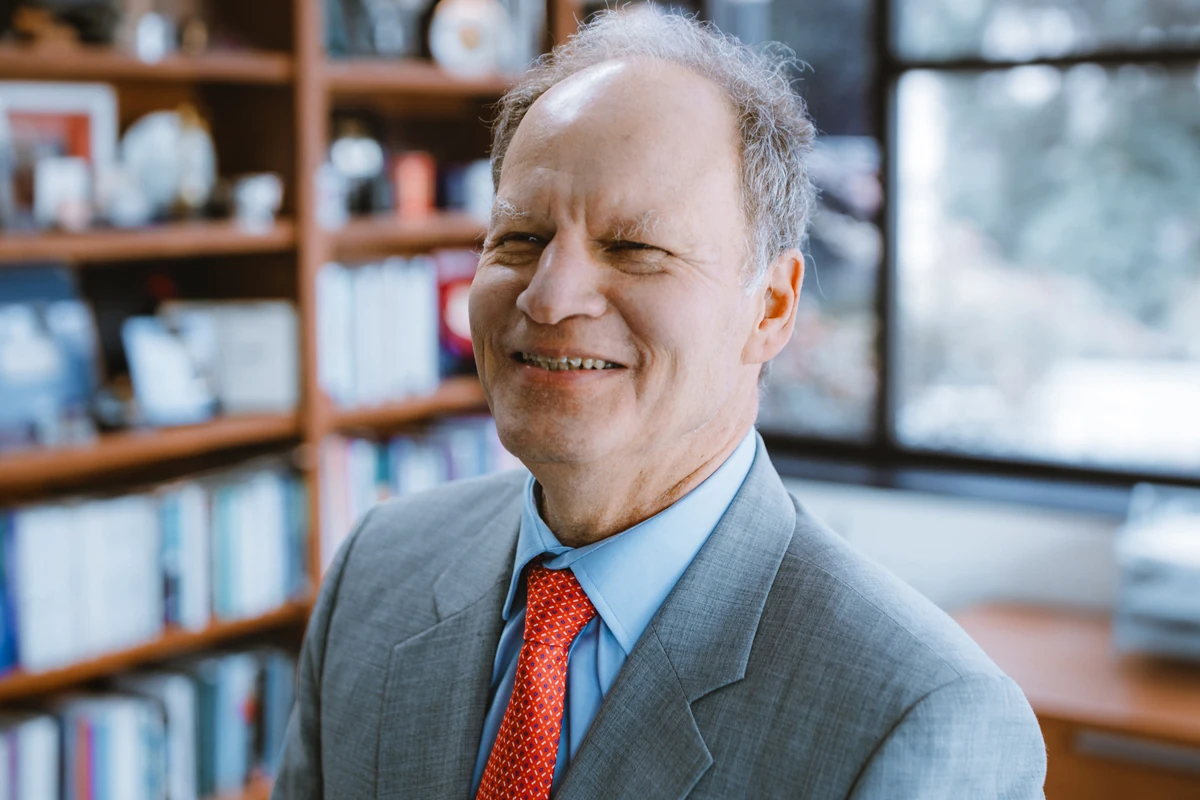
David Brenner, MD, was named president and CEO of Sanford Burnham Prebys following more than 15 years as vice chancellor for Health Sciences at the University of California San Diego. With the generous support of Denny Sanford, Brenner has directed one of the largest concentrated science faculty hiring efforts in the region.
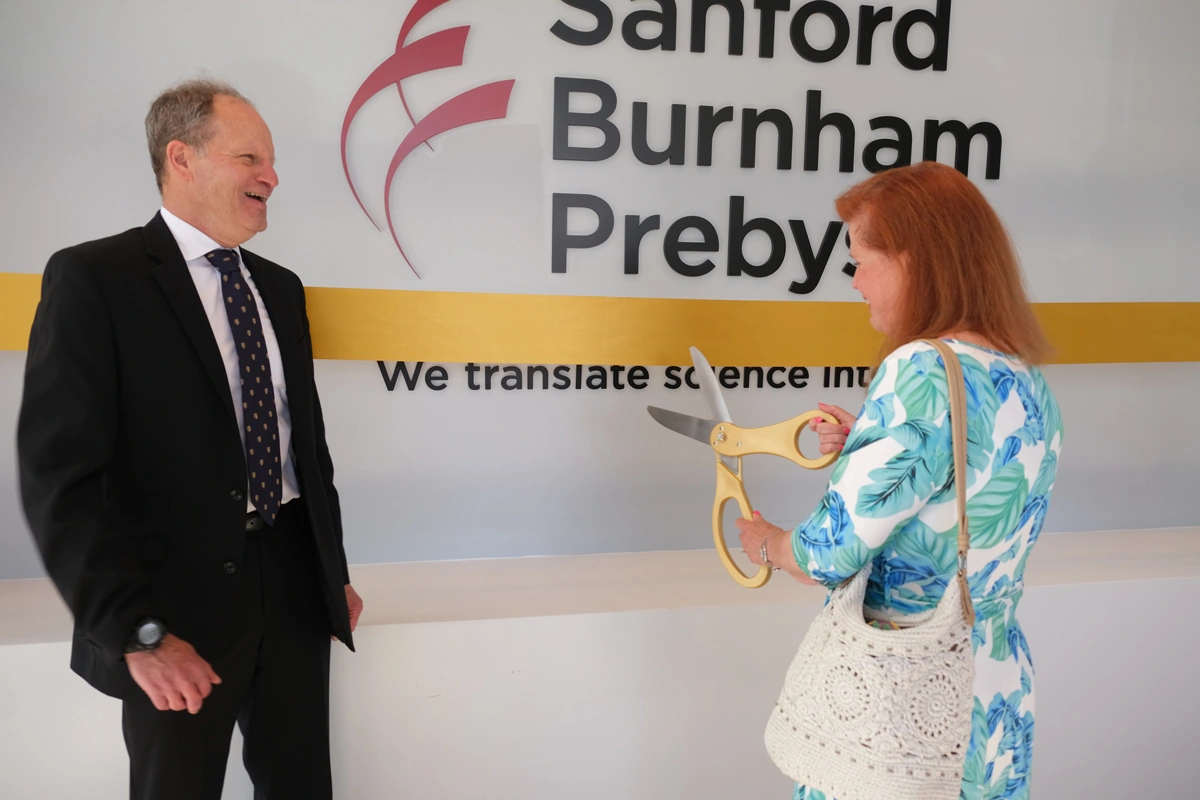
Sanford Burnham Prebys unveiled its newly renovated auditorium in Building 12. The improved meeting space was renamed as the Victor E. LaFave III Memorial Auditorium, or “the Vic,” in recognition of the generous support of the LaFave family.
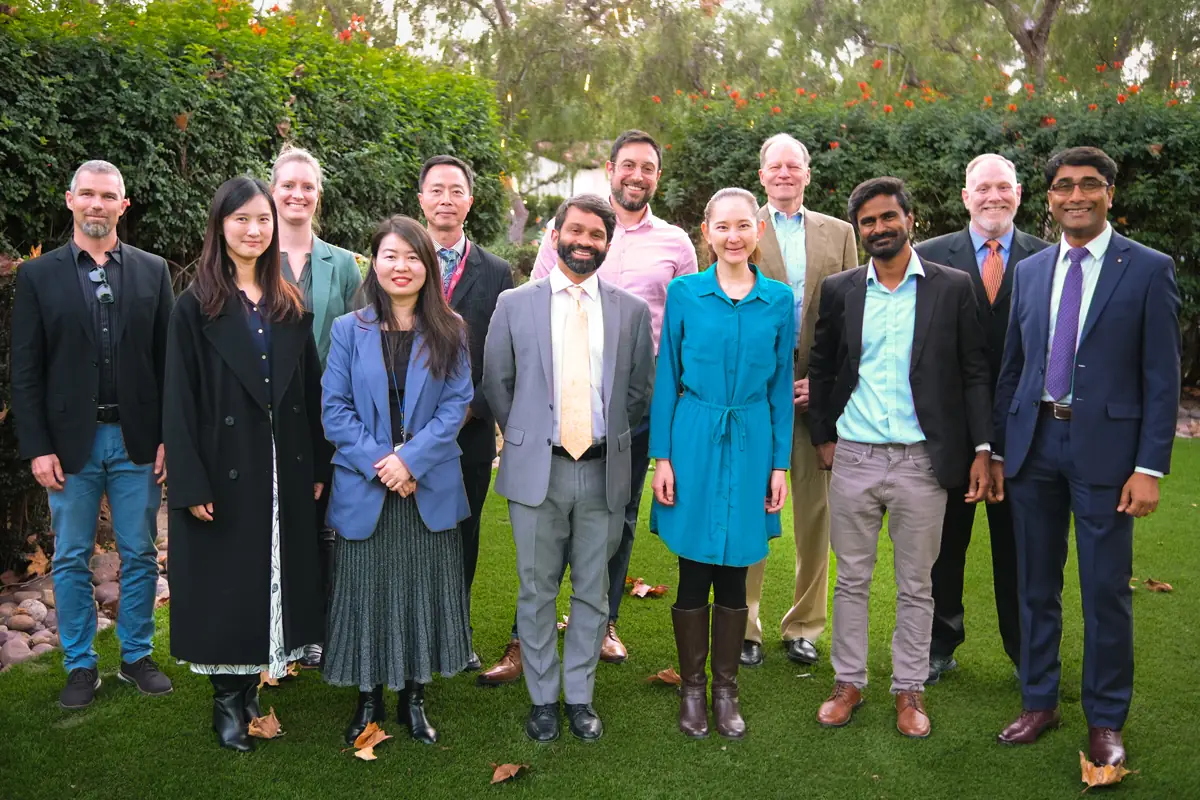
Thanks to a transformational investment from T. Denny Sanford, Sanford Burnham Prebys recruited 13 new faculty scientists over 24 months. They come from the best basic research and academic institutions in the country, with broad and diverse research interests including computational biology, cancer, stem cells, aging, congenital heart defects, and next-generation imaging technologies.
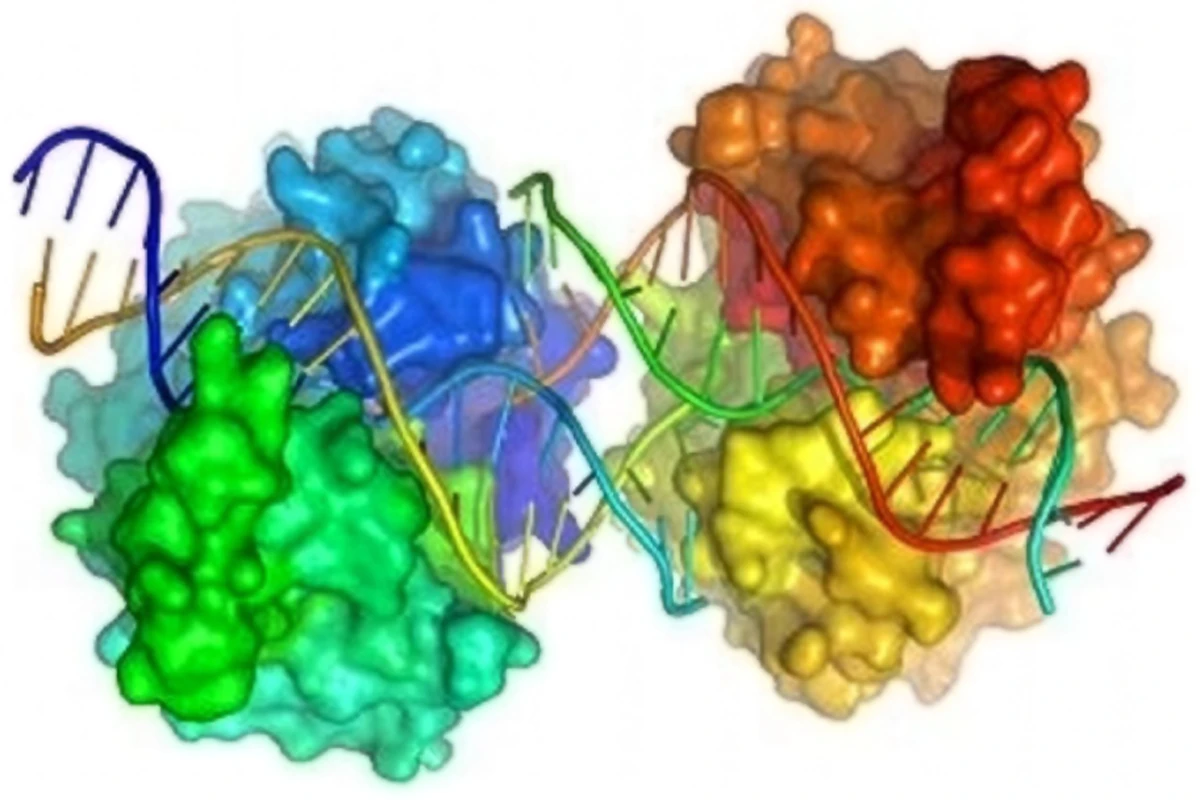
Researchers at Sanford Burnham Prebys Medical Discovery Institute will be part of a new, ambitious project to transform the drug discovery process by developing computational models to predict human toxicity, potentially cutting years off development timelines and reducing costs. The Advanced Research Projects Agency for Health (ARPA-H), funds the multi-institution, $31.7 million project, which is called Pharmacological Research and Evaluation through Digital Integration and Clinical Trial Simulation, or PREDICTS.
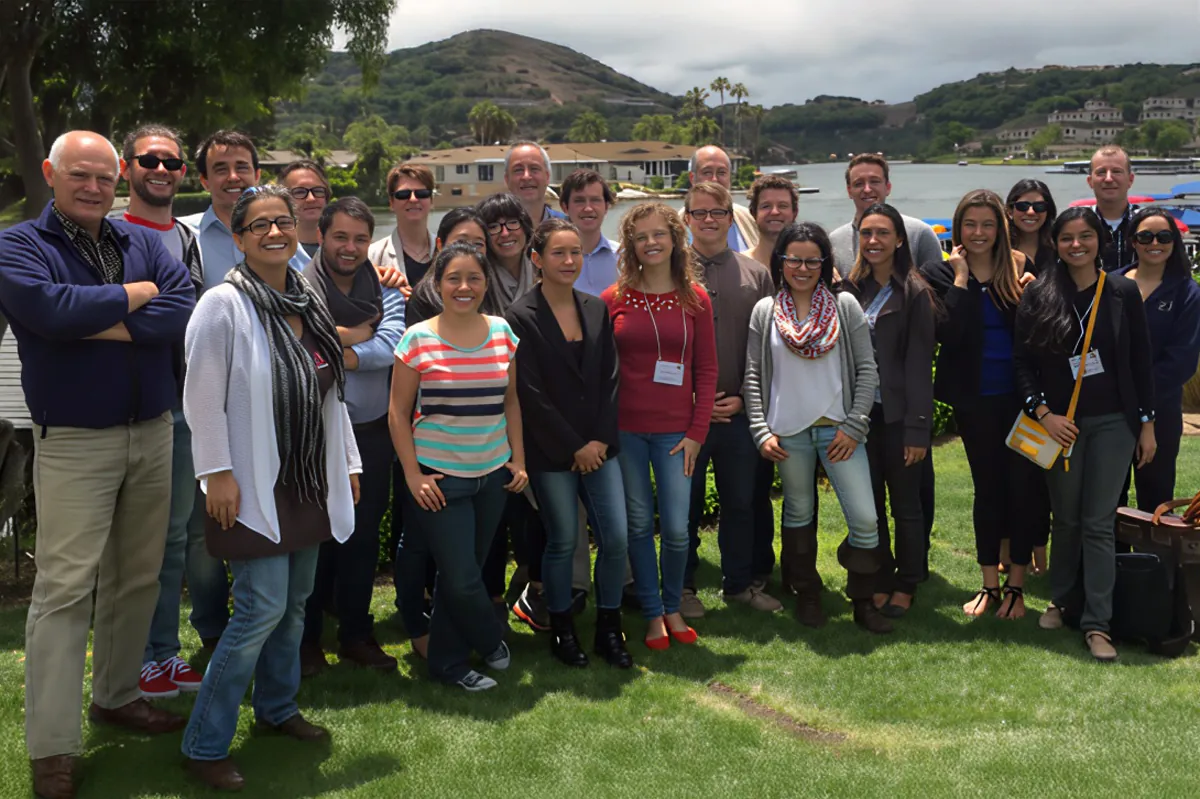
In 2015, the Graduate School of Biomedical Sciences received accreditation by the Western Association of Schools and Colleges (WASC). This was an important milestone for the school, a distinction that assured it had the resources, policies and practices in place to achieve its educational goals. More than 75 students have graduated since the school’s founding in 2006.